
Filling in a pool typically costs between $4,000 and $12,000, with a national average of approximately $8,000 for standard residential projects. When determining how much does it cost to fill in a pool, homeowners must choose between a partial fill starting at $2,500 or a full removal that can reach $16,000; local factors in areas like Hamilton County often push average costs to between $10,200 and $14,200.
Maintaining a swimming pool in Hamilton County is often a labor of love, but for many homeowners, the scales eventually tip toward frustration. When your backyard oasis becomes a source of mounting repair bills and constant weekend chores, the question is no longer how to fix it, but how to move on. Deciding to fill in a pool is a major property investment that requires a clear understanding of the financial and logistical implications. This guide provides a detailed breakdown of what it actually costs to decommission a pool in Indiana. We will explore the differences between partial fill-ins and full structural removals, calculate the ten year savings on maintenance, and examine how these choices influence your local real estate value. By the end, you will have the expert insights needed to reclaim your lawn with confidence.
The Homeowner Dilemma: To Keep or to Fill
Homeowners across Carmel, Fishers, and Noblesville often reach a point where the backyard pool feels more like a chore than a luxury. This pool fatigue usually sets in after several seasons of battling the unique Indiana climate. Our local weather provides a narrow window for swimming, often preceded by heavy spring rains and followed by a massive influx of autumn leaves that clog skimmers and unbalance water chemistry.
When the effort required for ongoing maintenance starts to eclipse the actual time spent in the water, the financial reality of the situation comes into focus. You are faced with a difficult choice: continue the annual cycle of opening, closing, and cleaning, or eliminate the feature entirely. The core question is whether it is more cost-effective to spend thousands of dollars upfront to remove the structure or to keep paying for professional pool care year after year.
At Hamilton County Pool Services, we see residents grappling with this dilemma frequently. To make an informed choice, you must first understand the true answer to how much does it cost to fill in a pool in Central Indiana, alongside the long term expenses of keeping it operational. Calculating the break-even point is the first step in reclaiming your backyard.
How Much Does It Cost to Fill in a Pool in Indiana?
Determining the exact financial commitment requires looking at the two primary methods used in Central Indiana: partial fill-ins and full removals. While national averages provide a baseline, homeowners in Carmel and Fishers should expect local labor rates to lean toward the higher end of the spectrum due to the demand for specialized heavy equipment and the specific engineering requirements of our region.
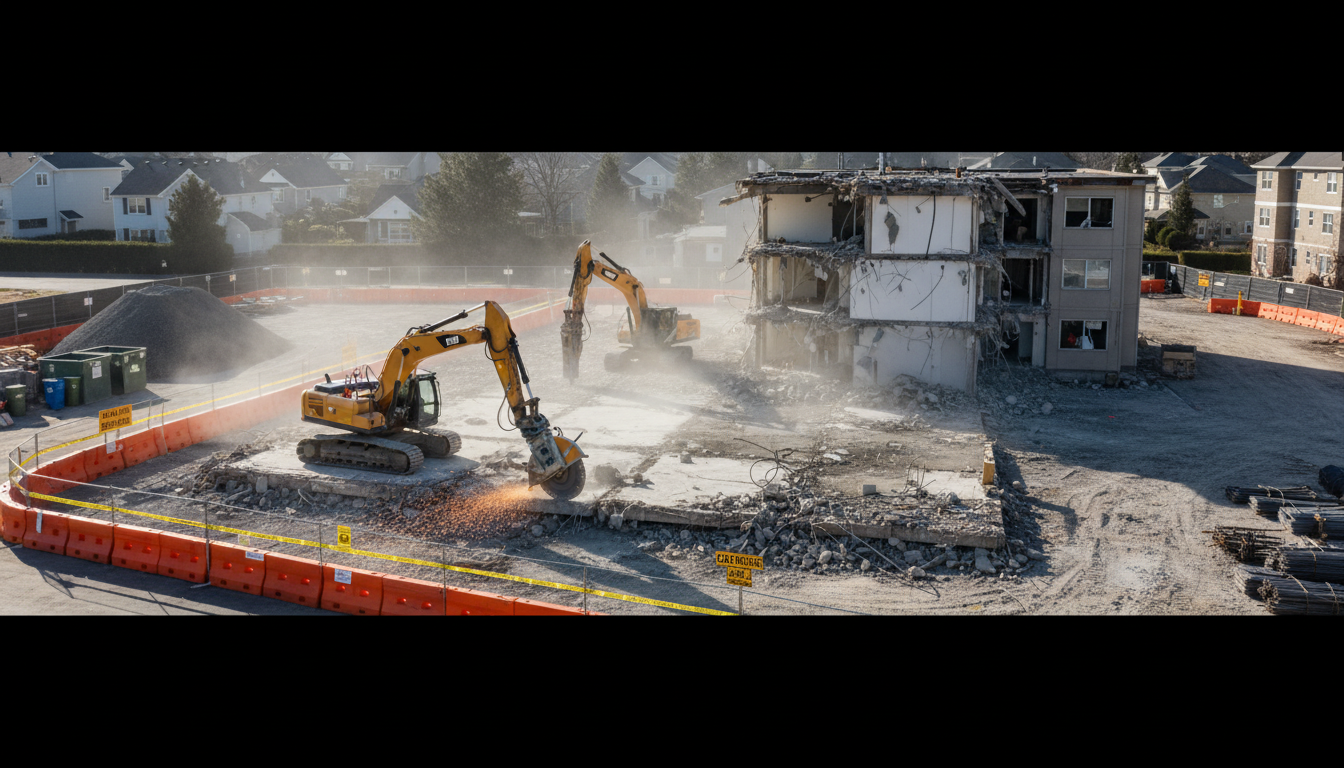
A partial fill-in typically costs between $2,500 and $10,000. This process involves collapsing the top few feet of the pool walls into the shell and filling the remaining space with dirt and gravel. For a more permanent solution that clears the lot of all debris, a full removal generally ranges from $4,000 to $16,000. This higher price point accounts for the labor of breaking up the entire concrete or gunite structure and hauling the materials away to a local processing site.
Method | Estimated Cost Range | Best Use Case |
|---|---|---|
Partial Fill-In | $2,500 – $10,000 | Creating lawn space or garden areas |
Full Removal | $4,000 – $16,000 | Future construction (decks or additions) |
Above-Ground Removal | $300 – $2,500 | Simple site restoration |
Hamilton County building codes require specific permits before any demolition begins. Beyond the paperwork, the local geology plays a significant role in the project’s success. Much of our soil is heavy Indiana clay, which has notoriously poor drainage properties. If a contractor does not properly perforate the bottom of the pool shell or uses the wrong fill material, the site can become a swampy mess during heavy spring rains. Ensuring proper compaction and drainage is often more complex here than in areas with sandy soil, as it requires a specific ratio of gravel and topsoil to prevent the ground from settling.
Before committing to these permanent expenses, it is helpful to weigh them against the cost of ongoing maintenance. At Hamilton County Pool Services, we find that many homeowners reconsider demolition once they realize that professional pool care can eliminate the stress of upkeep for a fraction of the upfront removal price.
Partial Fill-In vs. Full Removal: Which Is Right for Your Property?
Choosing between a partial fill-in and full removal depends entirely on your future plans for the backyard. A partial fill-in is the most common choice for homeowners in Noblesville or Carmel who simply want to reclaim a grassy lawn. This process involves breaking off the top 18 to 36 inches of the pool walls and collapsing them into the shell. To ensure the area does not become a subterranean reservoir, the contractor must punch large drainage holes into the bottom of the pool floor before filling the space with layers of gravel and compacted soil.
Full removal is a far more invasive and expensive engineering project. The entire pool shell, including the floor and walls, is demolished and hauled away to a disposal site. This leaves a clean slate of dirt, but it requires significantly more fill material and heavy machinery to complete.
Feature | Partial Fill-In | Full Removal |
|---|---|---|
Process | Top walls collapsed; base perforated | Entire shell extracted and hauled |
Property Use | Lawn, garden, or light landscaping | Structural builds, decks, or additions |
Risk Level | Higher risk of settlement or drainage issues | Minimal risk when properly compacted |
Local Code | Limited future construction | Required for most foundations |
Hamilton County building codes are a major factor in this decision. If you intend to build a deck, a gazebo, or a home addition in the former pool area, local regulations often mandate full removal. Most building inspectors will not permit a structural foundation to be poured over a buried pool shell because the soil stability cannot be guaranteed. At Hamilton County Pool Services, we often advise clients that if they are unsure of their long term landscape plans, the investment in ongoing maintenance or professional pool care might be more prudent than a partial fill that permanently limits future property development.
Calculating the 10 Year Cost of Pool Maintenance
If the technical complexity of removal sounds daunting, the financial comparison often provides the necessary clarity. Over a decade, Hamilton County residents typically spend between $13,000 and $20,000 on pool upkeep. This range accounts for the variable nature of Indiana winters and the specific needs of large in-ground shells found in neighborhoods like West Clay or Geist.
To understand where that money goes, it helps to view the expenses as a recurring annual investment. A typical budget for a well-kept residential pool in Central Indiana breaks down as follows:
Expense Category | Annual Estimated Cost | 10-Year Total |
|---|---|---|
Seasonal Opening and Closing | $600 – $1,000 | $6,000 – $10,000 |
Chemical Balancing and Testing | $400 – $600 | $4,000 – $6,000 |
Electricity (Pump and Filtration) | $300 – $500 | $3,000 – $5,000 |
Total Estimated Investment | $1,300 – $2,100 | $13,000 – $21,000 |
These figures do not include unexpected repairs or equipment replacements, such as a new liner or a failed pump motor. For many homeowners, the real cost is not just the money, but the frustration of managing these tasks. Outsourcing to Hamilton County Pool Services for ongoing maintenance drastically reduces this frustration factor. When professional pool care handles the chemistry and mechanical checks, the pool remains a source of relaxation rather than a second job.
When you consider that the average full removal costs between $10,000 and $15,000, the financial break even point becomes clear. The cost of permanent demolition is often equivalent to 5 to 7 years of professional maintenance. If you plan to stay in your home for more than a decade, filling the pool saves money in the long run. However, if you enjoy the lifestyle a pool provides, the annual cost of upkeep is a manageable trade off compared to the permanent loss of the amenity and the high upfront cost of a teardown.
The Impact on Hamilton County Real Estate Value
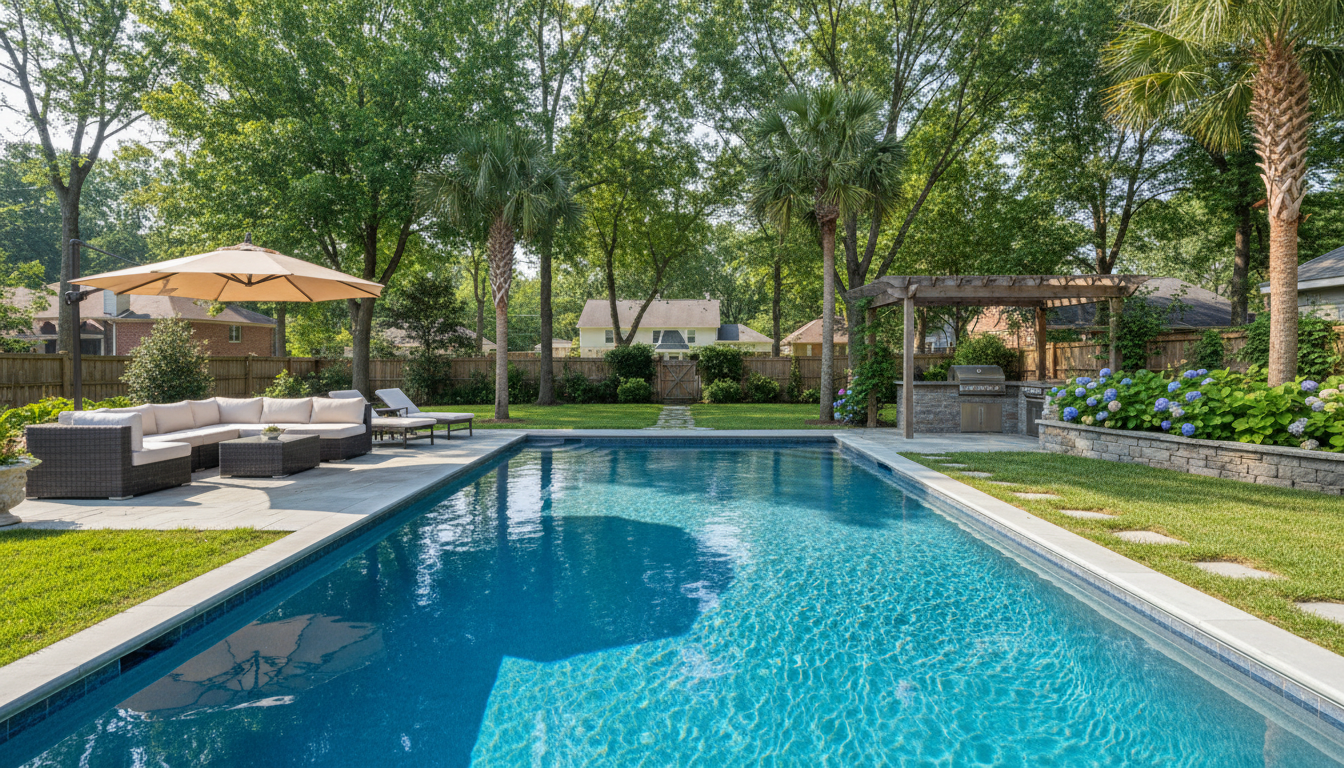
In prestigious pockets like the Village of West Clay or the waterfront estates of Geist, a swimming pool is often viewed as a standard luxury amenity rather than an optional add-on. For homeowners in these specific neighborhoods, the decision to remove a pool carries heavy real estate implications. While you may save on long-term costs, removing a pool could potentially decrease your home’s market value by significantly more than the initial expense of demolition. In these high-end markets, buyers frequently filter their searches for properties that already include a private aquatic space.
The impact on property value depends heavily on the condition of the facility. A neglected pool with cracked coping or stained plaster is a glaring liability that can derail a home inspection. Conversely, a pool backed by a history of professional pool care is a significant selling point. Real estate professionals in Carmel and Fishers often note that a turnkey backyard, where the ongoing maintenance has been handled by experts, provides a sense of security to prospective buyers who may be wary of inheriting a project.
Market Influence | Poorly Maintained Pool | Professionally Maintained Pool |
|---|---|---|
Buyer Perception | Expensive project or liability | Luxury lifestyle asset |
Appraisal Impact | Likely deduction for repairs | Maintains or increases value |
Inspection Result | Red flags for leaks and equipment | Clean report and smooth closing |
When calculating the total financial impact, remember that knowing how much does it cost to fill in a pool is only half the equation. You must also account for the potential loss in equity. For many residents, partnering with Hamilton County Pool Services to keep the water crystal clear and the equipment running efficiently is a strategic investment in their home’s future resale price.
Hidden Risks: What Happens After You Fill in a Pool?
Even after the heavy machinery leaves your property in Noblesville or Fishers, the site of a former pool remains a dynamic environment. Indiana’s climate is particularly harsh on reclaimed land due to the intense freeze-thaw cycle. As the ground freezes and expands in January, then thaws and contracts in March, improperly compacted fill dirt will shift. This movement often leads to soil settlement, creating noticeable depressions or dangerous sinkholes in what used to be your deep end.
Drainage is the most immediate concern for Hamilton County residents. Because our local soil is dominated by heavy clay, a buried pool shell that was not perforated correctly acts as a subterranean bowl. This "bathtub effect" traps rainwater underground, which can lead to a permanently soggy lawn or even foundation issues for nearby structures. When calculating how much does it cost to fill in a pool, you must factor in the potential expense of future regrading or installing French drains if the initial project fails to manage water runoff.
Risk Factor | Long-Term Impact | Mitigation Strategy |
|---|---|---|
Soil Settlement | Depressions or "sinkholes" in the lawn | Controlled lifts and mechanical compaction |
Bathtub Effect | Backyard flooding and soggy turf | Extensive floor perforation and gravel layers |
Disclosure Liability | Legal disputes or failed home inspections | Professional engineering and permit records |
Finally, there is the matter of legal liability. You are required to disclose a buried pool to future buyers. If the fill was not performed to local building codes, it can be a significant red flag during a home inspection. At Hamilton County Pool Services, we often find that homeowners prefer the peace of mind provided by ongoing maintenance. Keeping a pool functional through professional pool care is a known variable; a buried shell with poor drainage is an unpredictable liability that can haunt a property title for decades.
Understanding the initial expense of filling your pool versus the ongoing needs of maintenance helps you plan a better budget. While the filling process is a single event, consistent care ensures your water remains safe and inviting for years to come. If you want expert help managing these tasks, we are always available to handle the heavy lifting for you. You can read more about our dedicated team and how we serve the local community. Let us help you keep your pool in perfect condition.