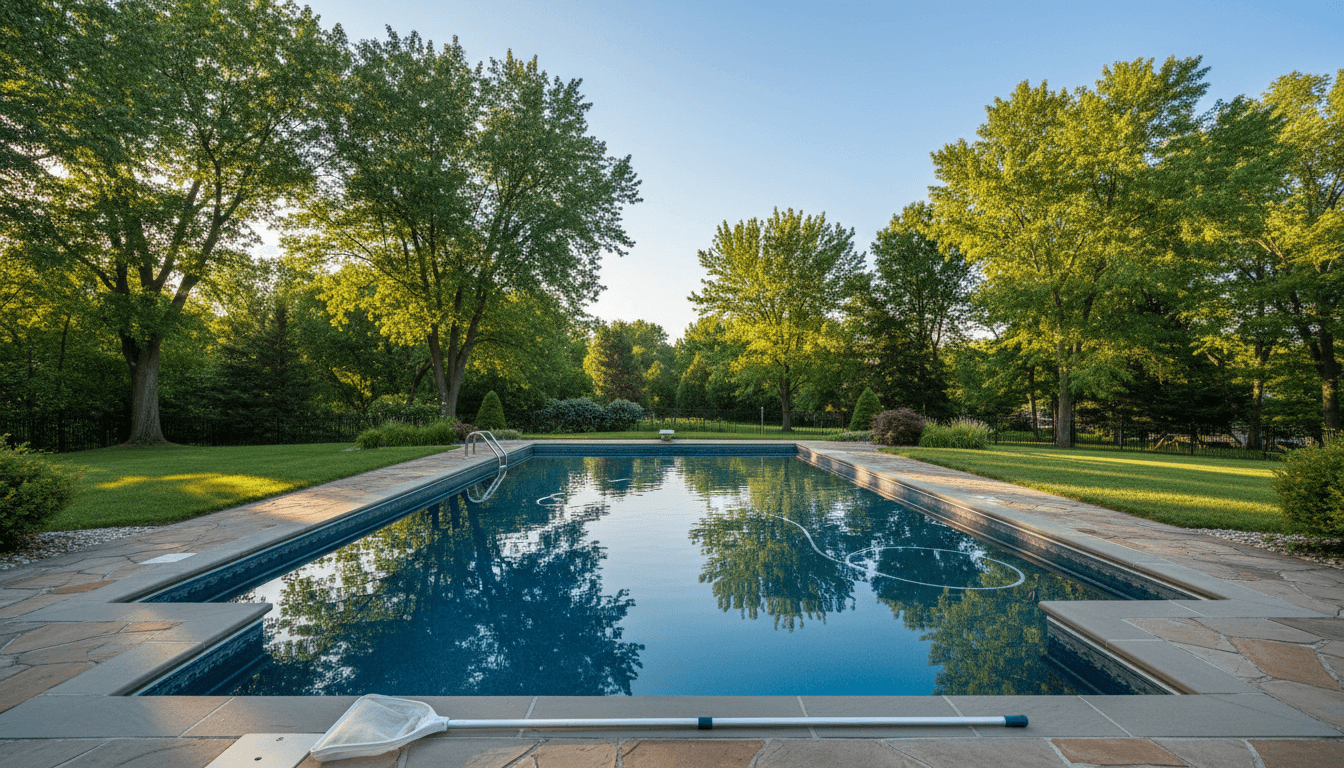
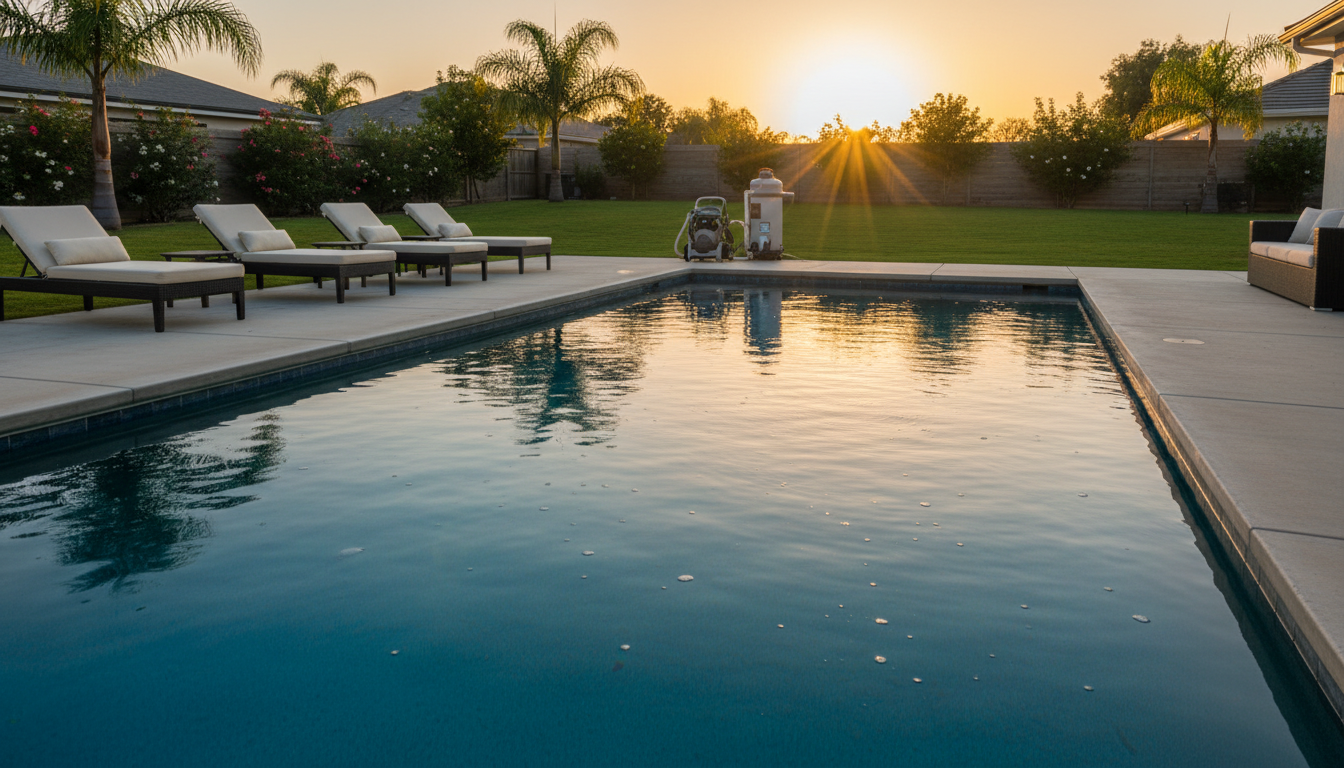
Filling an average swimming pool in Hamilton County costs between $60 and $1,250 when using municipal water, while trucked-in delivery services typically range from $500 to $1,700. When determining how much does filling a pool cost, homeowners should consider pool volume and local utility rates; most residents spend an average of $180 for a full fill. Seasonal top-offs are significantly more affordable, usually falling between $20 and $500 per year.
Watching your brand new pool sit empty is frustrating, but the uncertainty of the bill to fill it can be even more stressful for Hamilton County homeowners. Whether you are in Carmel or Noblesville, the cost to fill a 15,000 gallon oasis involves more than just a municipal water rate. It is a critical logistics decision that impacts your equipment longevity and initial chemical balance. In this guide, we explore the financial differences between using a standard garden hose and hiring a professional water truck service. We will also address the specific concerns of rural residents using well water and the hidden expenses associated with post-fill chemical stabilization. By the end of this article, you will have a clear budget and timeline for getting your family into the water safely and efficiently.
Understanding the Cost of Filling Your Swimming Pool
There is nothing quite like the sight of a pristine swimming pool ready for the Indiana summer. If you are wrapping up a new installation in Noblesville or preparing for a spring opening in Fishers, you are likely looking at the water meter and wondering about the bottom line. It is important to clarify that we are discussing the process of filling up your pool with fresh water for swimming, rather than filling in a pool for permanent removal. While both terms often appear in similar search results, the logistics and expenses are worlds apart.
Determining exactly how much does filling a pool cost depends on several local variables. Your specific water source, the total gallon capacity of your pool, and the current utility rates in Carmel or other parts of Hamilton County will all influence the final price. Whether you utilize a municipal line, a private well, or a professional delivery service, understanding these specific factors helps you budget effectively for the swimming season ahead.
The Most Common Method: Filling a Pool with a Garden Hose
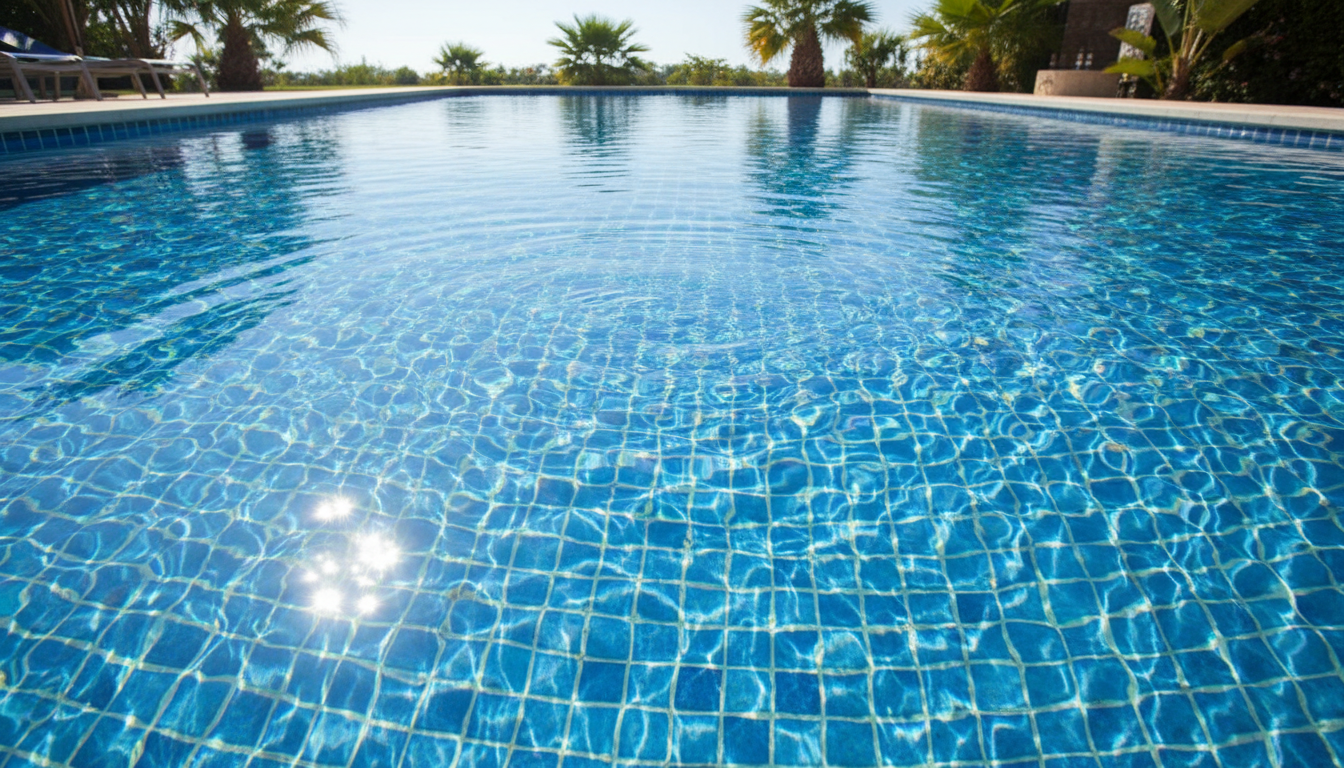
Using a standard garden hose is the most straightforward and cost-effective method for the vast majority of local residents. In Hamilton County, homeowners utilizing municipal water can generally expect to pay between $4 and $10 per 1,000 gallons. This rate fluctuates based on your specific provider and any recent tiered pricing adjustments. To see how this impacts your budget, consider a standard 15,000 gallon swimming pool. At these rates, the water usage alone would cost between $60 and $150.
Your specific location within the county determines which utility company sets these rates. If you live in Carmel, you are likely working with Carmel Utilities. Residents in Noblesville, Fishers, or Westfield might be serviced by Indiana American Water or Citizens Energy Group. Because municipal rates are subject to change based on seasonal demand or infrastructure updates, checking your most recent bill for the per unit or per 1,000 gallon rate is the best way to calculate a precise estimate.
One critical tip for managing how much does filling a pool cost is to inquire about a sewer credit. Standard utility billing assumes that every gallon of water coming into the house eventually goes down the drain for treatment. Since pool water stays in the vessel, many local utility offices allow you to report your pool fill to avoid the sewage portion of the bill. This can sometimes cut the effective cost of the water in half, as the sewer charge is often higher than the water charge itself. We recommend calling your utility provider before you turn on the tap to see if they require a sub-meter or a simple form to process this credit.
While the hose method is budget friendly, it requires patience and a plan for chemical balancing. Once the water reaches the appropriate level, professional pool maintenance services become essential to ensure the new water is safe for swimmers. You can also find answers to other common setup concerns in our frequently asked pool questions section.
Water Delivery Services: When to Call a Water Truck
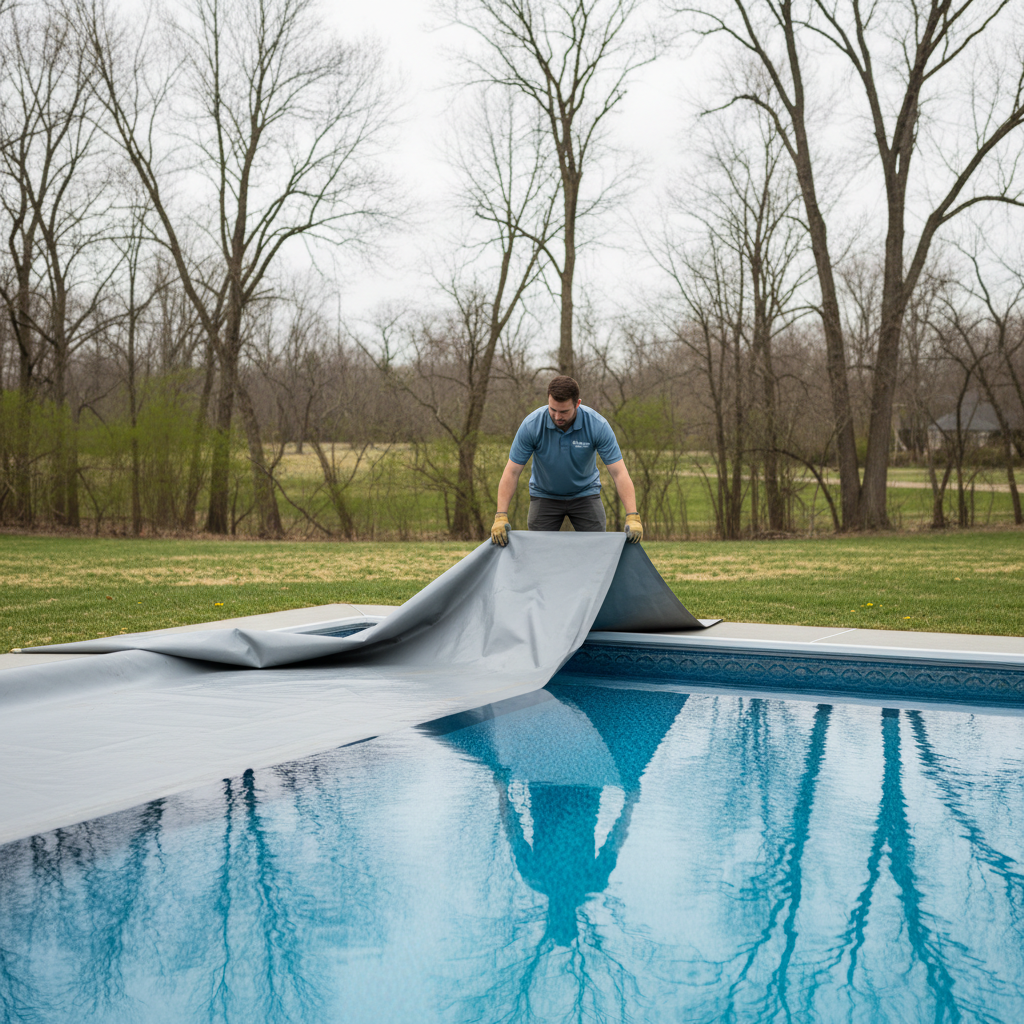
While the garden hose method is the standard for most, certain situations demand a faster solution. Opting for a professional water delivery service is the quickest way to get swimming, but it significantly changes the calculation of how much does filling a pool cost. Instead of waiting several days for the steady flow of a hose, a water truck can complete the job in just a few hours. This convenience comes at a premium price point.
In Hamilton County, water delivery rates typically range from $30 to $100 per 1,000 gallons. To put this into perspective, a full 15,000 gallon fill via truck can cost anywhere from $500 to $1,500. This is a sharp increase compared to municipal tap rates, but the expense is often justified by specific technical requirements.
Method | Delivery Speed | Estimated Cost (15,000 Gallons) |
|---|---|---|
Municipal Garden Hose | 24 to 72 Hours | $60 to $150 |
Professional Water Truck | 2 to 5 Hours | $500 to $1,500 |
There are two primary reasons why a homeowner might choose this high speed option. First, new vinyl liners often require the immediate weight and pressure of a rapid fill to stretch the material correctly and prevent permanent wrinkles. Second, residents in rural pockets of the county who rely on low-yield wells may choose delivery to avoid the risk of running their well dry or burning out their pump.
For most residential pools in suburbs with stable municipal water, the garden hose remains the most cost-effective choice. If you are balancing the pros and cons of delivery for a new installation, you can contact Hamilton County Pool Services for a professional assessment. Once the water is in, our professional pool maintenance services can take over to ensure your investment is balanced and safe from day one.
Filling a Pool with Well Water in Rural Hamilton County
If your property sits in the more rural stretches of northern Hamilton County, such as Sheridan, Arcadia, or Cicero, you likely rely on a private well. While this water is often viewed as free because it bypasses municipal meters, calculating how much does filling a pool cost using a well requires a different perspective. You must account for the electricity needed to run the pump for several days and the significant wear and tear on your well system. Forcing a residential pump to move 15,000 to 20,000 gallons in a single stretch can shorten the lifespan of the equipment; this can lead to repair costs that far exceed a standard water bill.
The most significant expense for well water users is an often overlooked factor: chemical correction. Groundwater in our region is notorious for high concentrations of iron, manganese, and calcium. Without immediate treatment, these minerals react with chlorine to turn your pool water brown, green, or cloudy. They can also permanently stain a new liner or plaster finish. To prevent this, you will need high quality sequestering agents and metal removers. These specialized chemicals, combined with the extra chlorine needed to overcome mineral loads, typically add $100 to $300 to your initial startup costs. Utilizing professional pool maintenance services for this initial phase is highly recommended to ensure these minerals are neutralized before they can damage your investment.
The Hidden Costs: Chemicals and Post-Fill Balancing
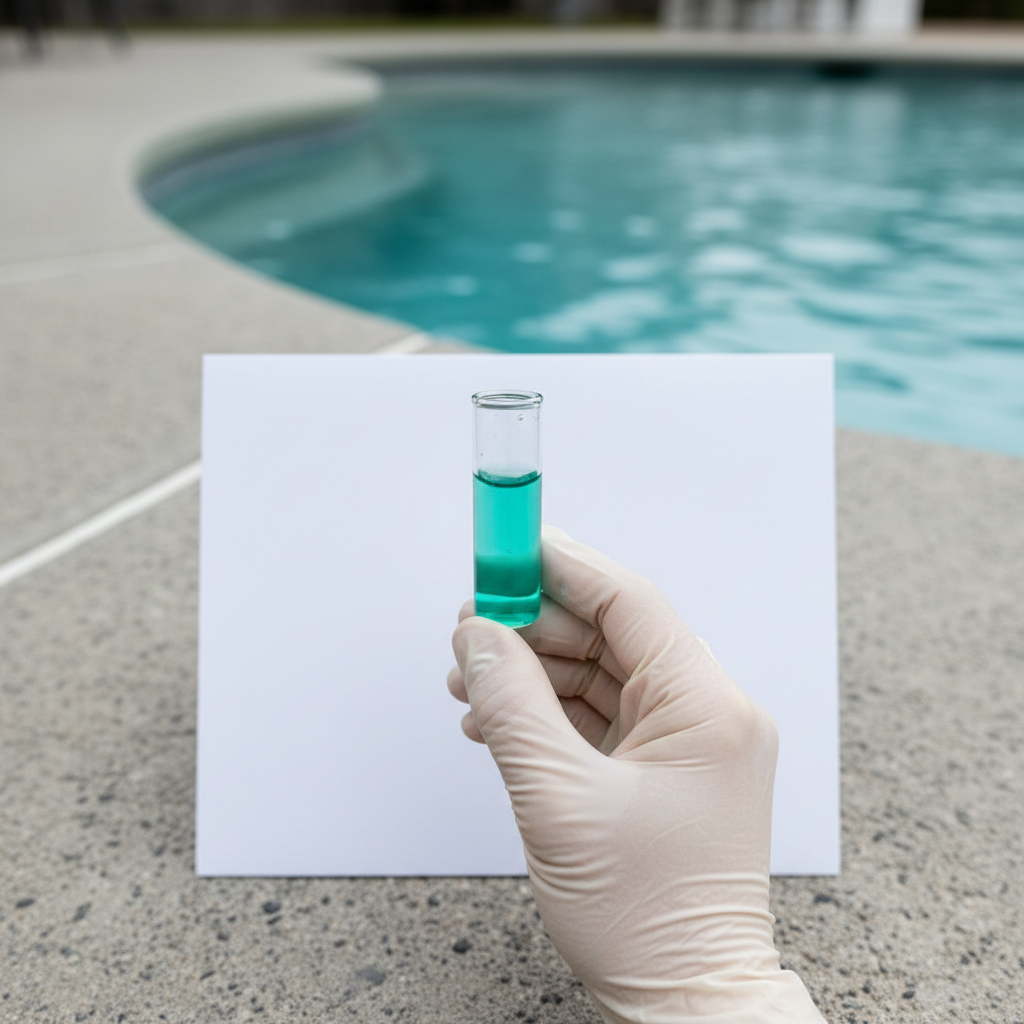
Neutralizing minerals in well water is just the first step in a broader chemical strategy. Many homeowners focus solely on the water meter, but getting the water into the vessel is only half the battle. Once the pool reaches the tile line, you are essentially standing in a massive basin of raw, untreated liquid that is highly susceptible to rapid algae growth and potentially corrosive enough to damage your pool’s infrastructure.
A standard startup chemical kit typically costs between $50 and $150. These kits provide the foundational elements needed to transform tap or well water into a safe swimming environment. A complete startup involves several critical components:
Chemical Type | Purpose | Why It Matters |
|---|---|---|
Chlorine | Sanitization | Kills bacteria and prevents immediate algae blooms. |
pH Adjusters | Acidity Balance | Keeps water comfortable for skin and eyes. |
Alkalinity Booster | pH Buffer | Prevents "pH bounce" and protects pool surfaces. |
Cyanuric Acid | UV Protection | Acts as a stabilizer to prevent sunlight from burning off chlorine. |
While DIY kits are available, the margin for error is slim. If alkalinity is poorly managed, the water becomes aggressive, leading to the etching of plaster or the pitting of metal components in your pump and heater. This is why professional pool maintenance services are essential during the first 48 hours after a fill. Expert balancing ensures your total calculation of how much does filling a pool cost does not unexpectedly include the price of equipment repairs or surface restoration. Accurate testing at the start sets the stage for a crystal-clear, low-maintenance season.
How Long Does It Take to Fill a 10,000 Gallon Pool?
Once you understand the chemical requirements, the next logical question is one of timing. Because homeowners often underestimate the duration, calculating the fill time is essential for scheduling your startup. A standard garden hose typically delivers between 5 and 10 gallons per minute, depending on your local water pressure and hose diameter.
At a rate of 5 gallons per minute, a 10,000 gallon pool takes approximately 33 hours to reach the tile line. If your home provides a stronger 10 gallon per minute flow, that time drops to roughly 16 hours. Larger installations, such as a 20,000 gallon pool, can take nearly three full days of continuous flow to reach capacity.
Pool Size (Gallons) | Estimated Time at 5 GPM | Estimated Time at 10 GPM |
|---|---|---|
10,000 | 33.3 Hours | 16.6 Hours |
15,000 | 50.0 Hours | 25.0 Hours |
20,000 | 66.6 Hours | 33.3 Hours |
To prevent property damage, never leave the hose running unattended overnight without a mechanical water timer. Frequent check ins are necessary to avoid overflow and flooding, which can quickly inflate how much does filling a pool cost due to accidental landscape erosion or foundation issues. Once the water reaches the midpoint of the skimmer, contact Hamilton County Pool Services to begin the critical balancing and stabilization process.
Frequently Asked Questions About Pool Filling Costs
After calculating the time and potential expenses, many homeowners look for shortcuts or ways to optimize their budget. Here are the most common inquiries regarding how much does filling a pool cost in our local community.
Will the fire department fill your pool for free? Generally, no. Fire departments throughout Hamilton County, including those in Noblesville and Carmel, do not provide pool filling services. Using hydrants for non-emergency purposes can damage the municipal water infrastructure. Furthermore, departments cannot risk the liability or the depletion of water resources needed for active fire suppression.
Is it cheaper to fill a pool with a hose or a water truck? Using a garden hose connected to your municipal supply is significantly cheaper. While a water truck offers speed, it often costs five to ten times more per thousand gallons than tap water.
What is the cheapest way to fill up a swimming pool? The most budget friendly method is using a garden hose while securing a sewer credit from your utility provider. By proving the water went into a pool rather than the sewer system, you can avoid the sewage treatment fees that often make up the bulk of a standard water bill. For more guidance on local regulations, check our frequently asked pool questions or contact Hamilton County Pool Services to prepare for your initial chemical balance.
Filling your pool in Hamilton County involves balancing local utility rates with the logistics of your specific property. Whether you choose to use a standard garden hose or a commercial water delivery service, understanding these initial costs helps you budget for a successful start to the season. Once your pool is full, maintaining that perfect water balance is the next step. If you want expert help keeping your equipment running efficiently, you can learn more about our dedicated team and the local services we offer. We are here to help you enjoy a stress-free summer.