
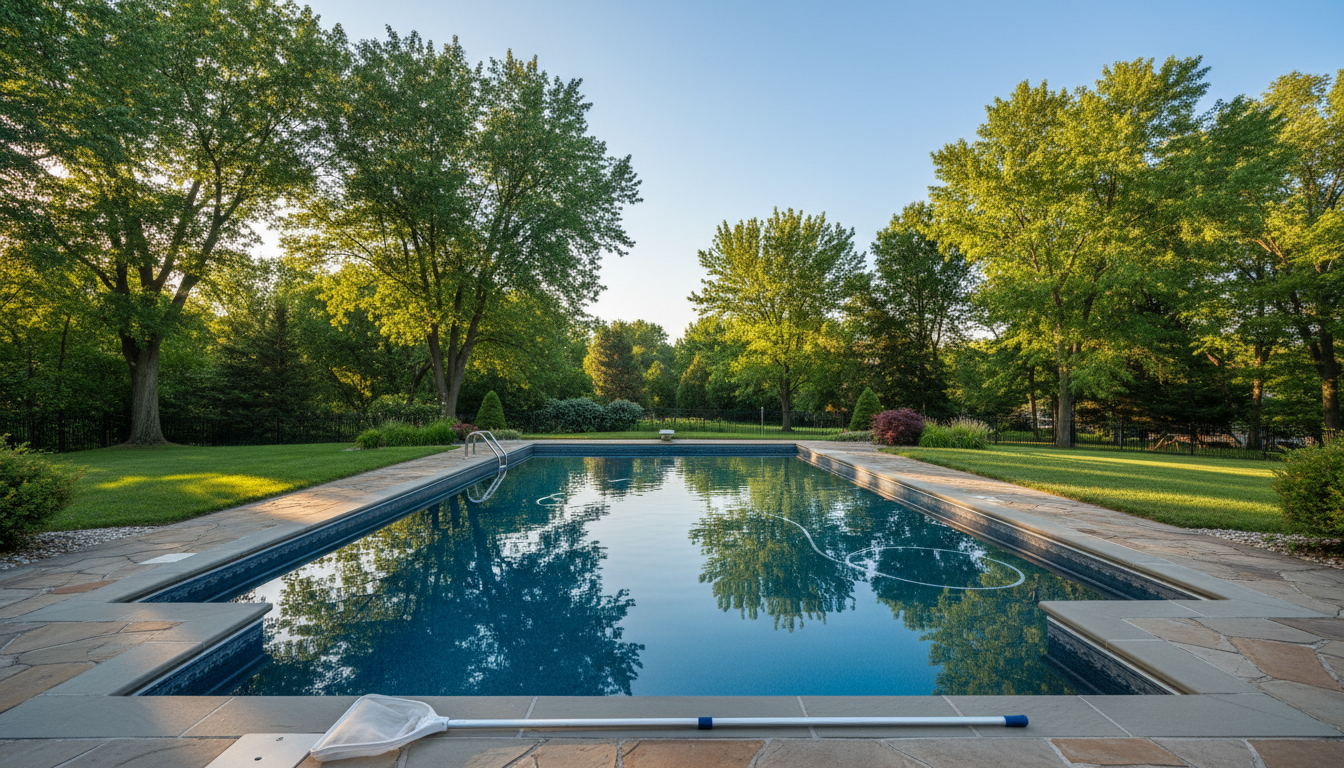
The best time for when to open pool Indiana is mid to late May or whenever daytime temperatures consistently reach 70 degrees. Opening early helps prevent algae growth as the water warms; however, most residents wait until the threat of frost has passed to ensure safe operation.
Staring at a dark safety cover while the Indiana sun begins to warm your patio can be frustrating; however, rushing the process often leads to costly mechanical errors or chemical imbalances. For homeowners in Carmel, Fishers, and across Hamilton County, the timing of your pool opening is the most critical decision of the maintenance season. Balancing the risk of a late season freeze against the inevitable growth of algae requires more than just a guess at the calendar. In this guide, we provide a professional timeline tailored to our specific regional climate. You will learn the importance of the 70-degree temperature rule, how to navigate the heavy spring pollen season, and why proactive equipment checks prevent mid summer headaches. We will help you determine the exact moment to transition your backyard from a dormant winter landscape into a pristine summer oasis.
The Golden Rule: Why 70 Degrees is the Magic Number for Indiana Pools
The industry standard for deciding when to open pool Indiana homeowners should follow is the 70-degree threshold. This number is not arbitrary; it is rooted in the biological behavior of algae. When water temperatures remain below 60 degrees, algae spores generally stay dormant. However, once the water consistently climbs into the 60s and reaches 70 degrees, these spores begin to bloom rapidly.
In Hamilton County, local conditions make this threshold even more critical. Many residential pools in Carmel and Noblesville utilize dark green or black safety covers. These covers act as heat sinks, absorbing solar radiation and warming the water underneath far more quickly than the ambient air temperature might suggest. On a sunny 65-degree day, the stagnant water under your cover can easily reach 75 degrees; this creates a dark, warm greenhouse environment where algae thrive.
Waiting for 'swimming weather' is a common mistake that leads to costly chemical treatments right out of the gate. By the time the air feels warm enough for a dip, the biology in your pool has likely been thriving for weeks. Proactive seasonal openings and closings ensure you catch the water before it turns, saving you time and money on pool cleaning and maintenance throughout the spring.
Is April Too Early to Open a Pool in Indiana?
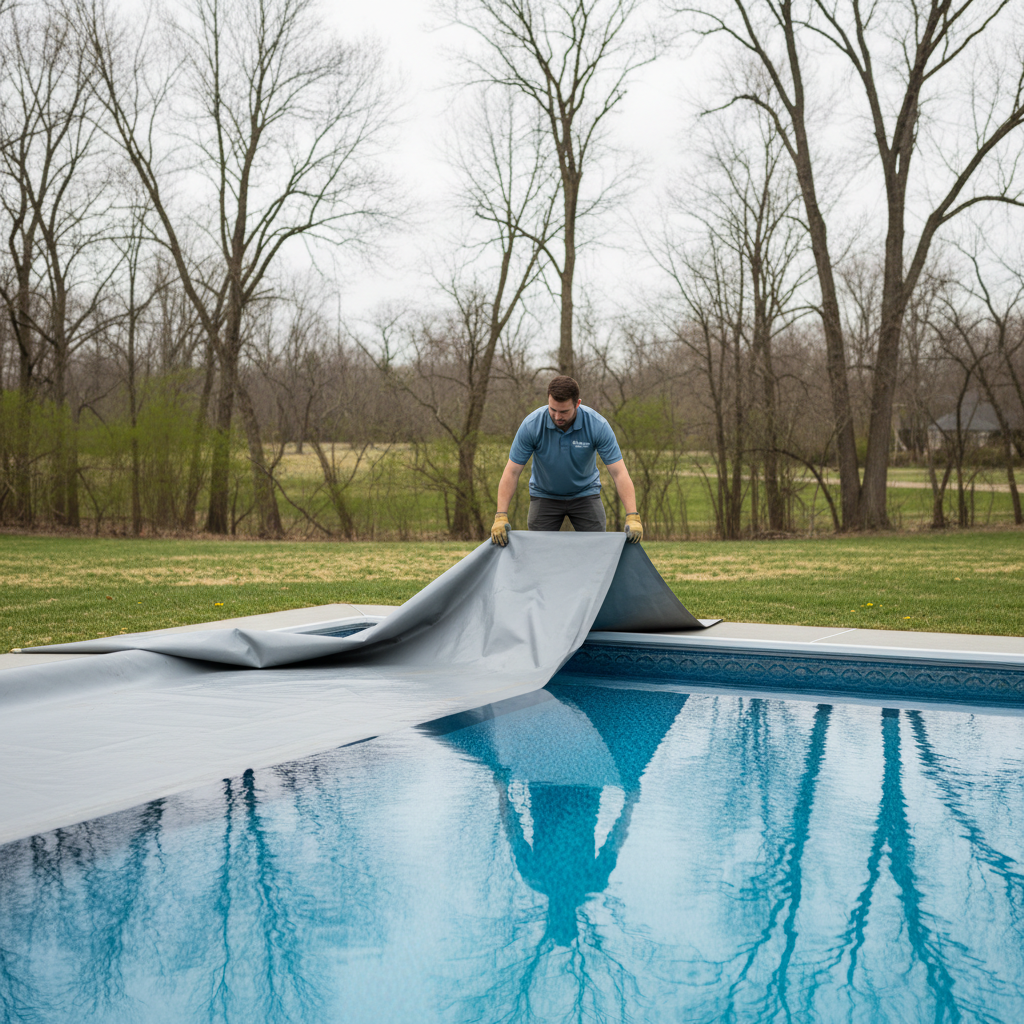
Directly addressing the common inquiry from local homeowners, the answer to whether April is too early depends largely on your goals and your risk tolerance. Opening your pool in early April is a proactive strategy to avoid the "green monster" of algae growth before it starts. By circulating water and starting chemical treatments early, you ensure a clear pool the moment the weather breaks. Additionally, scheduling seasonal openings and closings for April allows you to beat the mid-May rush when Hamilton County service calendars are typically booked solid.
However, an early opening carries specific risks in Central Indiana. Late-season freezes are common in Noblesville and Carmel, often occurring well into the month. If the water is already in the pipes and a hard freeze hits, you risk cracked heater headers or pump housings. Furthermore, if you intend to swim immediately, heating a pool when daytime temperatures are in the 50s will significantly increase your utility costs.
Factor | Early April Opening | Late May Opening |
|---|---|---|
Algae Risk | Very Low | High |
Scheduling | Flexible | Difficult / Busy |
Freeze Risk | Moderate to High | Low |
Energy Cost | Higher (if heating) | Lower |
Before committing to an April date, we advise checking the local 10-day forecast. Pay close attention to overnight lows rather than daytime highs. If the forecast shows consistent temperatures above freezing, you are likely safe to proceed. If you do open early and a cold snap is predicted, you must run your pump 24/7 to prevent water from standing still in vulnerable equipment. This level of oversight is a key part of professional pool cleaning and maintenance in a volatile climate like Indiana's, ensuring that when to open pool Indiana homeowners choose is based on data rather than guesswork.
The Mid-May Sweet Spot for Fishers and Carmel Residents
The window between Mother’s Day and Memorial Day represents the most popular time for seasonal openings and closings across Fishers and Carmel. This timing is not just a cultural preference; it aligns perfectly with the end of the frost season for USDA Hardiness Zone 6. By mid-May, the threat of a deep freeze that could shatter a pump housing or crack a PVC line has largely passed. Local homeowners often keep an eye out for 'Blackberry Winter,' a brief, late-spring cold snap that occurs when blackberries are in bloom. While this rarely brings a hard freeze, the sudden drop in temperature and accompanying rain can cause your pH levels to fluctuate, requiring precise chemical treatments to keep the water balanced.
Choosing this mid-May sweet spot allows you to transition directly from the dormant winter phase into active pool cleaning and maintenance. Unlike the relative dormancy of April, May is when Hamilton County landscaping goes into overdrive. While the water is safe from freezing, the sheer volume of organic debris increases significantly. As trees reach full leaf and local flower beds bloom, your filtration system begins to work harder to manage the influx of organic material. Deciding when to open pool Indiana residents find most successful often comes down to balancing these environmental factors with the goal of having a pristine, swimmable backyard by the Memorial Day holiday.
The Pollen Factor: Why Opening Late Can Cost You More
Waiting for the air to warm up often means you are inviting the heavy spring pollen season to take up residence on your pool cover. In Westfield and Zionsville, the dense populations of oak, pine, and maple trees create a pervasive yellow dust that coats every outdoor surface. When this pollen accumulates on a safety cover, it mixes with rainwater to form a thick, yellow-green sludge. This organic mess is significantly harder to remove than standard algae. If it washes into the pool during a late opening, it can quickly overwhelm your filtration system and require aggressive chemical treatments to clear.
Opening the pool before this peak pollen drop allows your skimmers to catch the particulate while it is still floating on the surface. This proactive approach to pool cleaning and maintenance prevents the sludge from ever forming on the cover or settling on the floor. By timing your seasonal openings and closings to precede the yellow coating on your driveway, you save hours of scrubbing and multiple filter backwashes. This strategy ensures the water is clear and manageable long before the when to open pool Indiana window officially closes for the season.
Protecting Your Equipment from Late Season Freezes
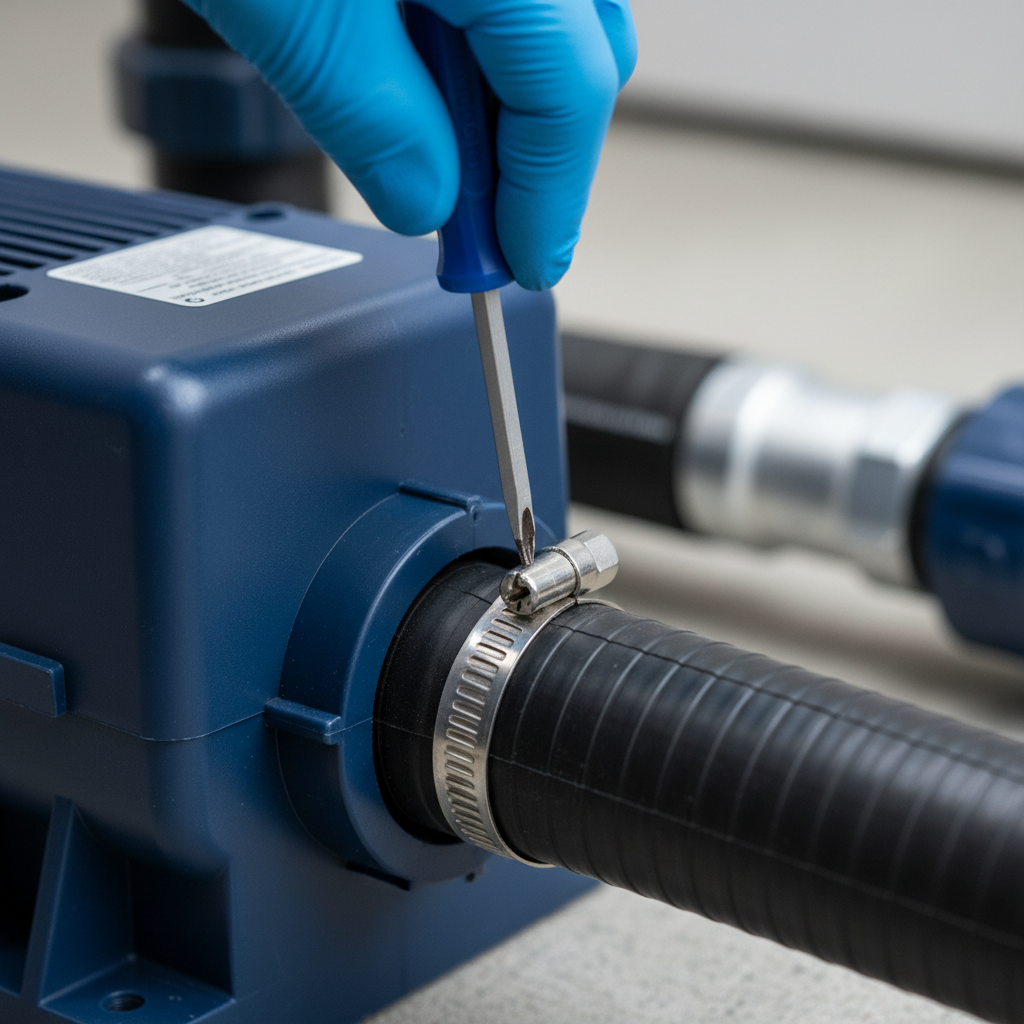
Navigating the unpredictable Indiana spring requires more than just picking a date on the calendar. If you have already completed your seasonal openings and closings and a late frost is forecasted for Hamilton County, immediate action is necessary to protect your investment. The most effective defense against a sudden freeze is constant water circulation. Moving water is significantly less likely to freeze than stagnant water; therefore, you must override your pump timer and run the filtration system 24/7 until the temperature rises safely above the freezing mark.
Certain components are particularly susceptible to damage from expanding ice. The heater header, which is often made of cast iron or heavy plastic, can crack under the pressure of even a brief freeze. Similarly, the thin-walled plastic of an automatic chlorinator or the delicate internal sensors in a salt system are high-risk areas. If your equipment is not moving water, these parts become ice-bound traps. Protecting these elements is a critical part of pool cleaning and maintenance during the shoulder seasons. While deciding when to open pool Indiana homeowners should always keep a close watch on the overnight lows to avoid these technical failures. If you are unsure about your equipment's freeze protection settings, consulting a professional can prevent a simple cold snap from turning into a multi-thousand-dollar repair bill.
Step-by-Step Hamilton County Pool Opening Checklist
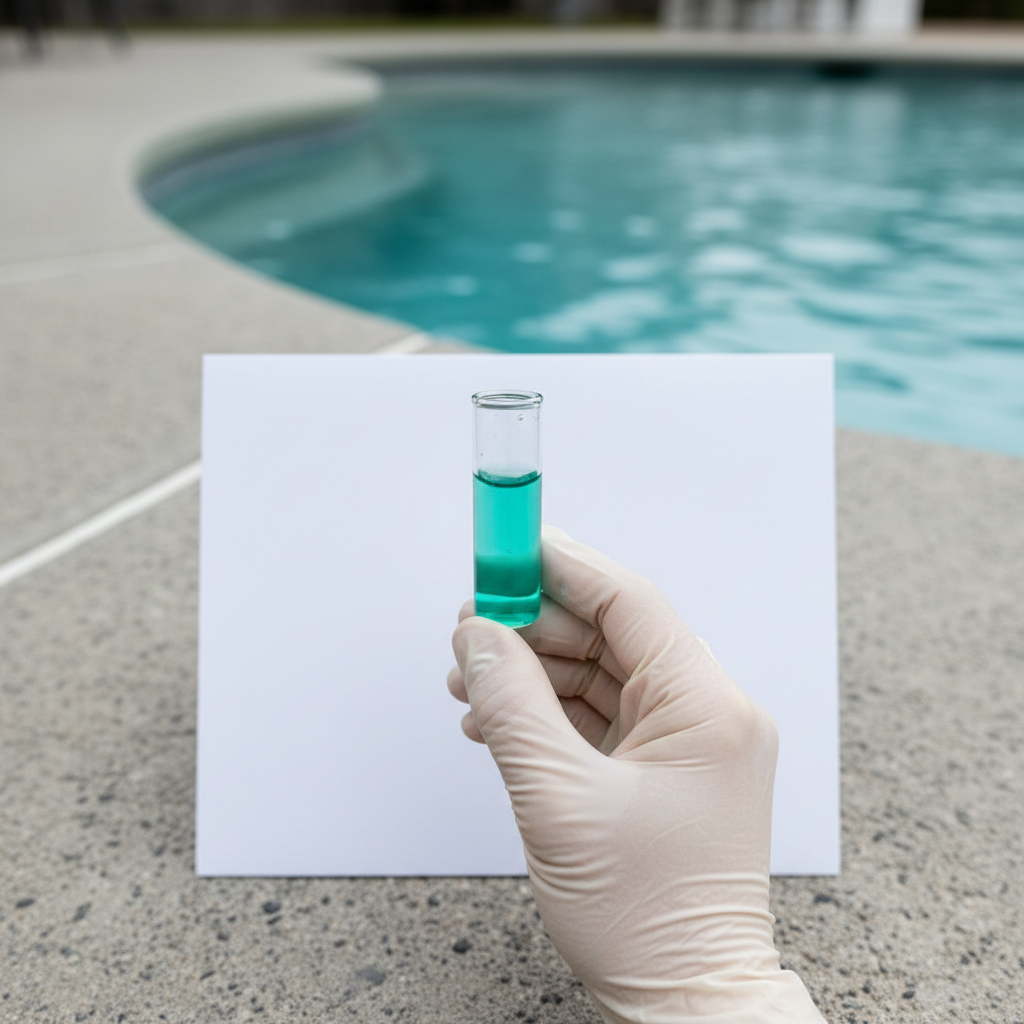
Once you have determined the safest window for your backyard, following a systematic approach ensures your equipment starts the season without unnecessary strain. A successful opening is more than just pulling back the cover; it requires meticulous attention to the mechanical and chemical health of the system.
Cover Removal and Storage: Clear all debris and standing water from the cover before removal to prevent organic matter from falling into the pool. Clean the material with a specialized cover cleaner to prevent mold and mildew growth during the summer months. For Hamilton County homeowners, proper storage is vital because mice and other rodents often seek shelter in folded covers; therefore, store the cover in a heavy duty, sealed plastic bin rather than leaving it exposed on a garage floor.
Reinstalling Drain Plugs: Walk through your equipment pad and reinstall the drain plugs removed during winterization. This includes the plugs for the pump strainer housing, the filter tank, and the heater. Applying a fresh coat of silicone based lubricant to the O-rings during this step ensures a tight seal and prevents air from entering the system once the pump starts.
Restoring Water Levels: Most pools lose several inches of water over the winter. Use a garden hose to bring the water level back to the mid-point of the skimmer opening. This level is essential for the pump to maintain a steady prime and provide effective surface skimming.
Initial Chemical Shock and Balancing: Once the water is circulating, perform a heavy chemical treatments cycle. This initial shock neutralizes dormant algae and bacteria. After 24 hours of circulation, test the pH, alkalinity, and calcium hardness to ensure the water is balanced and safe for your family.
System Inspection: While the pump is running, carefully inspect every pipe connection and manifold for leaks. Many homeowners choose a DIY approach, but professional seasonal openings and closings provide a level of diagnostic security that is difficult to replicate. A trained technician knows how to spot hairline fractures in a manifold or a weeping seal on a pump that a novice might miss. Detecting these issues early prevents a minor drip from becoming a major leak that could flood your equipment pad. Professional pool cleaning and maintenance ensures that regardless of when to open pool Indiana residents choose, they are starting the season with a mechanically sound and efficient system.
Professional Opening vs. DIY: What is Best for Your Backyard?
Families in communities like Carmel and Fishers often balance demanding professional and youth sports schedules, making time the most valuable resource during an Indiana spring. While many homeowners consider a DIY approach, the technical demands of seasonal openings and closings often require more than just an afternoon of labor. Professional services eliminate the heavy lifting involved with saturated safety covers and the physical strain of hauling equipment.
Choosing a local specialist ensures your pool chemistry is safe for children from the first hour the pump starts. Hamilton County Pool Services understands the unique chemical profiles of our region, from the high mineral content of well water in rural Westfield to the specific additives in municipal water across Noblesville and Zionsville. A professional technician is also familiar with the local water table, which is critical when adjusting levels to prevent hydrostatic pressure issues during a rainy spring.
By outsourcing the initial setup, you transition immediately into a routine of pool cleaning and maintenance without the stress of troubleshooting leaks or managing chemical mishaps. When determining when to open pool Indiana residents often find that the peace of mind provided by expert chemical treatments and a certified mechanical inspection is worth the investment. This professional oversight ensures your backyard remains a safe, clean sanctuary for the entire summer season.