
Homeowners can expect to spend between $1,200 and $4,000 annually when calculating how much does it cost to maintain a pool in Indiana. Monthly professional services in the Indianapolis area average around $267; these totals include chemical balancing, seasonal opening and closing, and electricity for equipment.
Owning a luxury pool in Hamilton County is a hallmark of the Indiana summer, yet the ongoing investment often remains a source of uncertainty for many homeowners. Beyond the initial installation, the reality of recurring maintenance costs can feel unpredictable if you are not tracking the right metrics. Whether you are balancing water chemistry after a heavy Midwestern storm or prepping for the winter freeze, understanding your true operational budget is essential for preserving both your leisure time and your property value. In this comprehensive guide, we provide a practical breakdown of what it costs to keep your pool pristine in our local climate. We will explore the financial differences between professional service and DIY upkeep; additionally, we will examine the impact on your monthly utility bills and outline the specific seasonal expenses that define pool ownership in Central Indiana.
The Real Cost of Pool Ownership in Central Indiana
Owning a pool in Carmel, Fishers, or Noblesville offers a much-needed escape during our humid Indiana summers. However, many homeowners searching for how much does it cost to maintain a pool find national figures that do not account for our specific regional challenges. In Central Indiana, the typical swimming season runs from Memorial Day through Labor Day, though many residents stretch that window from May to late September.
Our local climate plays a massive role in your annual budget. Unlike pools in stable southern climates, Hamilton County pools face extreme temperature swings. Harsh winters necessitate rigorous seasonal openings and closings to protect plumbing from freezing, while our humid, storm-prone summers can rapidly deplete chemical levels and introduce organic debris.
True pool ownership costs are more than just a single monthly fee. To get an accurate picture, you must factor in a combination of variables: - Monthly chemical costs to balance high organic loads from heavy spring rains. - Electricity for pump operation and gas for heaters during cooler May and September nights. - Water replacement due to evaporation and splash-out. - Ongoing maintenance and professional pool cleaning to prevent equipment failure.
Understanding these local factors is the first step in creating a realistic budget for your backyard oasis.
Monthly Maintenance Breakdown: Professional vs. DIY
Deciding between professional care and a DIY approach is the next logical step for most Hamilton County residents. When homeowners calculate how much does it cost to maintain a pool, they often compare the monthly invoice of a service provider against the retail price of chemical buckets found at big-box stores.
In the Indianapolis area, professional weekly service generally ranges from $150 to $350 per month. This fee covers much more than basic chemical adjustments. A standard visit includes skimming debris, brushing walls, vacuuming the floor, and conducting a multi-point inspection of your pump and filtration system. For many in Carmel and Fishers, this investment buys peace of mind and ensures the pool is always swim-ready without a weekend spent scrubbing tile lines.
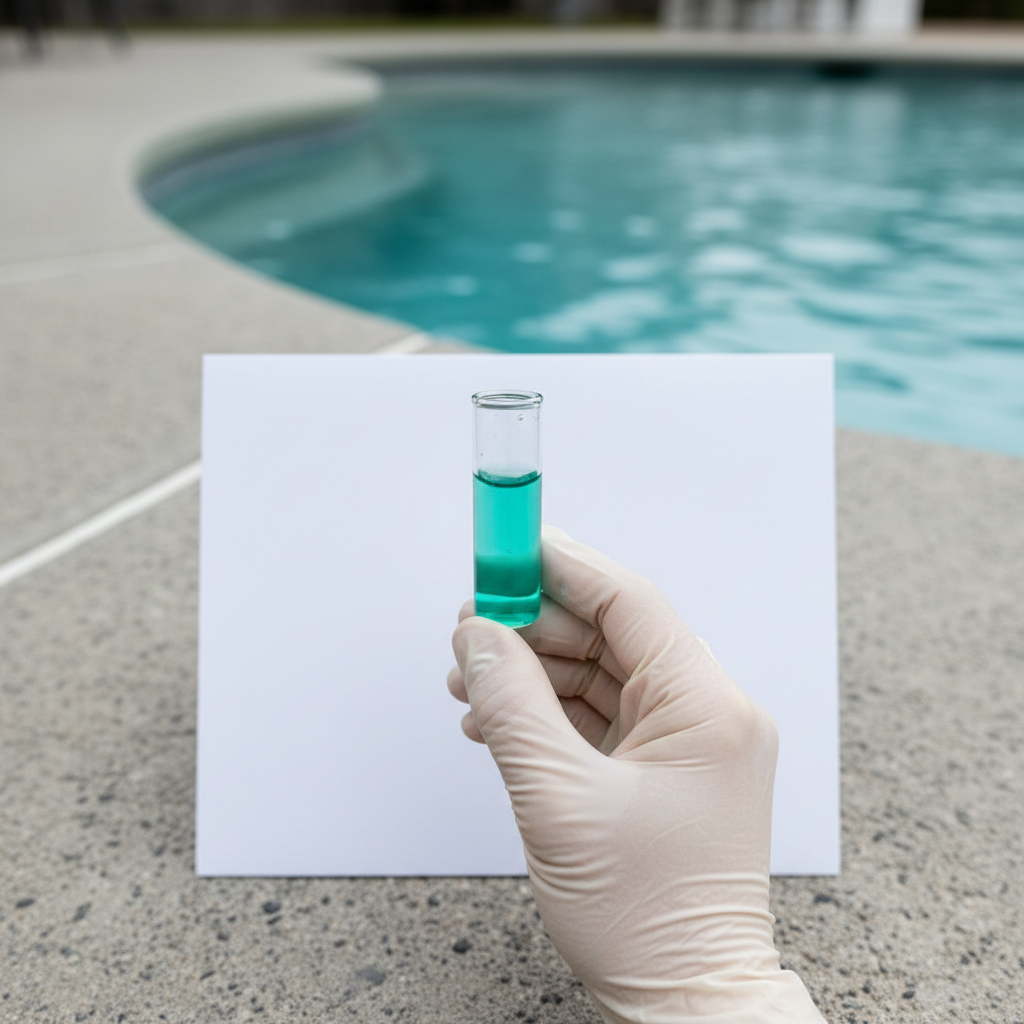
Managing these tasks yourself requires a different set of expenditures. A high-quality liquid reagent testing kit is essential and costs between $20 and $100 for the initial setup. On a monthly basis, a standard 20,000-gallon pool in Indiana typically consumes a specific cocktail of supplies:
Chlorine (tabs and liquid): $40 to $80
Pool shock (calcium hypochlorite): $30 to $50
pH balancers (muriatic acid or soda ash): $10 to $20
Expense Category | DIY Monthly Estimate | Professional Weekly Service |
|---|---|---|
Chemicals & Testing Supplies | $80 - $150 | Included in most plans |
Weekly Labor (Time) | 16 - 24 Hours | 0 Hours |
Equipment Inspection | Amateur Observation | Expert Assessment |
Total Monthly Outlay | $80 - $150 + Your Time | $150 - $350 |
The primary hidden cost of DIY maintenance is the significant time commitment. Most homeowners spend four to six hours per week on cleaning, chemical management, and trips to the supply store. Furthermore, there is a financial risk in the "oops" factor. If chemistry drifts during a humid Noblesville heatwave, an algae bloom can take hold in less than 48 hours. Clearing a green pool requires an immediate surge in chemical spending, often $200 or more, and places immense strain on your filtration equipment. Opting for ongoing maintenance through a professional provider mitigates this risk. Choosing professional pool cleaning effectively trades a slightly higher monthly fee for the guarantee that your water remains safe and your equipment stays in peak condition.
The Seasonal Factor: Opening and Closing Costs
While monthly bills cover the active swimming months, understanding how much does it cost to maintain a pool in Indiana requires a look at the seasonal bookends. Unlike warmer climates where pools may run year-round, Hamilton County homeowners must account for the specialized labor required to transition equipment through our harsh freeze-thaw cycles. These biannual events are the most critical maintenance tasks you will face each year.
Seasonal openings and closings are essentially an insurance policy for your backyard investment. A professional opening, typically performed in late April or May, involves more than just pulling off a cover. It includes de-winterizing the plumbing, re-installing pump and filter plugs, checking for leaks in the equipment pad, and an initial heavy chemical shock to combat winter organic buildup. For most residential pools in Carmel or Noblesville, a professional opening ranges from $350 to $550.
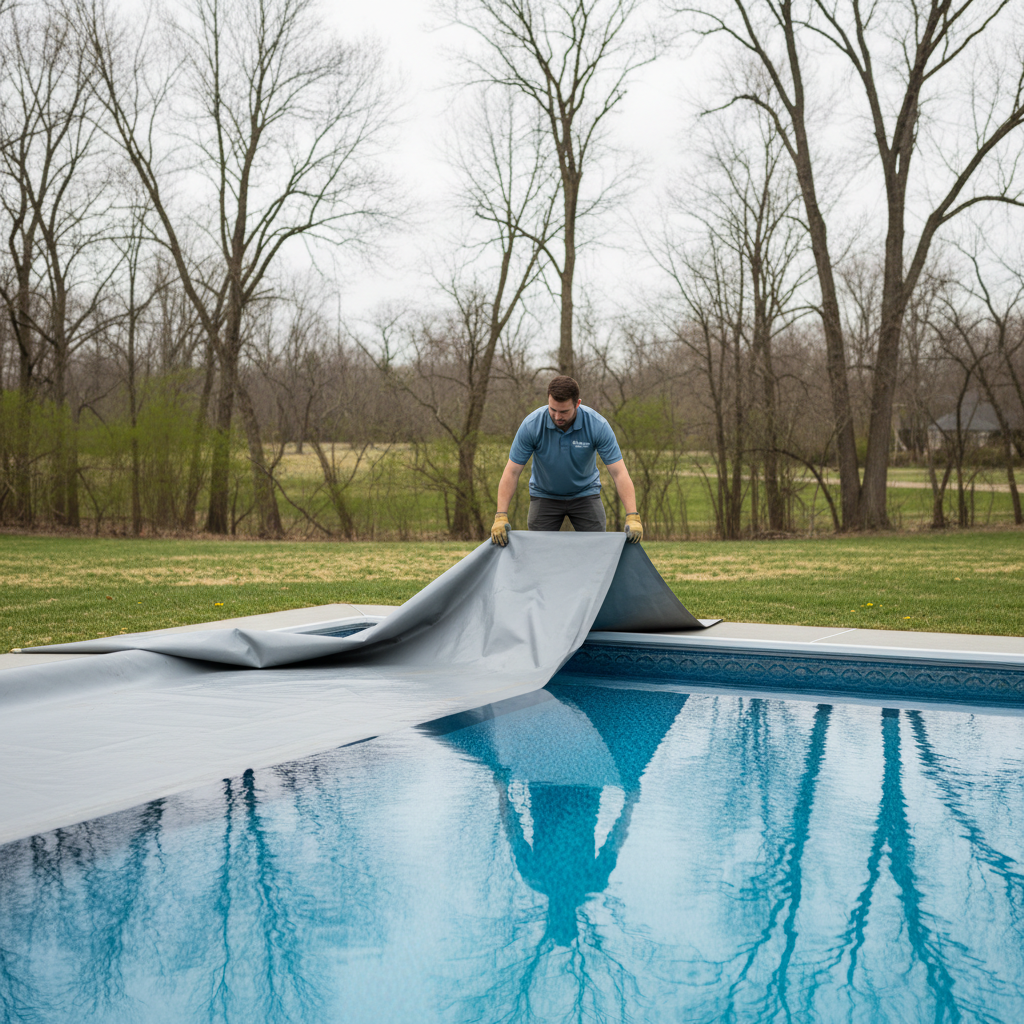
When the temperature drops in September or October, the winterization process is even more vital. A professional closing includes blowing out the plumbing lines with high-pressure air to ensure no water remains to freeze and crack the pipes. It also involves adding specialized winter chemicals and the secure installation of safety covers. These services generally cost between $300 and $500.
Seasonal Service | Typical Cost Range | Primary Tasks |
|---|---|---|
Spring Opening | $350 – $550 | Equipment reassembly, system startup, initial water balancing |
Winter Closing | $300 – $500 | Line blowout, winterizing chemicals, safety cover installation |
Skipping professional help during these transitions carries significant financial risk. If lines are not blown out correctly, water will freeze and expand, leading to burst underground pipes that cost thousands of dollars to excavate and repair. Similarly, an improperly secured liner or cover can succumb to ice damage or groundwater pressure, resulting in structural failures. Integrating these costs into your ongoing maintenance budget ensures that a single Indiana winter does not turn your pool into a construction site the following spring.
How Much Does a Pool Add to Monthly Utility Bills?
Beyond the chemicals and service fees, local utility consumption is a major variable when calculating how much does it cost to maintain a pool in Indiana. In Hamilton County, your primary monthly utility increases will come from electricity and water. For most residents in Carmel or Noblesville, Duke Energy provides the power required to keep filtration systems running.
The type of pump you use is the biggest factor in your electric bill. An older, single speed pump can easily add $100 or more to your monthly statement because it runs at full power regardless of the task. Modern variable speed pumps are significantly more efficient; they can drop that monthly cost to between $20 and $40 by adjusting the flow rate for ongoing maintenance.
Heating is another significant expense, especially if you want to swim comfortably in May or September. A gas heater provides rapid warmth but can add $100 to $300 to your monthly gas bill during those cooler shoulder months. Electric heat pumps are more common for professional pool cleaning clients who prefer a consistent temperature, as they use less energy but run longer to maintain heat.
Water costs from providers like Carmel Utilities are generally the smallest portion of your bill, but they are not negligible. Indiana summers are humid, yet evaporation can still lower your water level by an inch or two per week. Topping off a 20,000 gallon pool to keep the skimmers functioning properly usually adds $15 to $30 per month.
Utility Type | Estimated Monthly Increase | Primary Drivers |
|---|---|---|
Electricity | $20 – $120 | Pump type (Single vs. Variable Speed) |
Natural Gas | $0 – $300 | Heating usage in May and September |
Water | $15 – $30 | Evaporation and splash-out replenishment |
Chemical Costs and Water Balance in Hamilton County
While utility bills fluctuate based on equipment efficiency, your chemical budget is largely dictated by environmental factors. In Hamilton County, managing water balance involves more than just keeping the water clear; it requires a proactive response to the local climate. Heavy spring rains frequently wash pollen, dust, and organic debris into the water. This increased organic load rapidly depletes sanitizers, often requiring several rounds of concentrated shock to prevent algae from taking hold. These sudden spikes in demand are a primary reason why homeowners ask how much does it cost to maintain a pool during a particularly wet Indiana June.
For a standard 15,000 to 20,000-gallon pool, residents should budget between $500 and $800 per season for chemicals. This range varies significantly based on the sanitation method you choose:
System Type | Seasonal Chemical Cost | Long-Term Considerations |
|---|---|---|
Chlorine | $500 – $700 | Most common; includes tabs, liquid, and shock |
Saltwater | $100 – $200 | Requires salt and acid; cell replacement costs $800 – $1,200 |
Bromine | $700 – $900 | High stability in heat; generally more expensive |
Saltwater systems are often perceived as maintenance free, but they still require ongoing maintenance to balance pH and alkalinity. The salt cell, which converts salt into chlorine, typically needs replacement every five to seven years. If you prefer traditional chlorine, professional pool cleaning ensures that levels are adjusted before a humid weekend leads to a chemical imbalance. Regardless of the system, maintaining proper calcium hardness is vital for protecting your pool's surfaces from the aggressive water conditions that follow heavy rainfall.
Long Term Maintenance and Equipment Lifespans
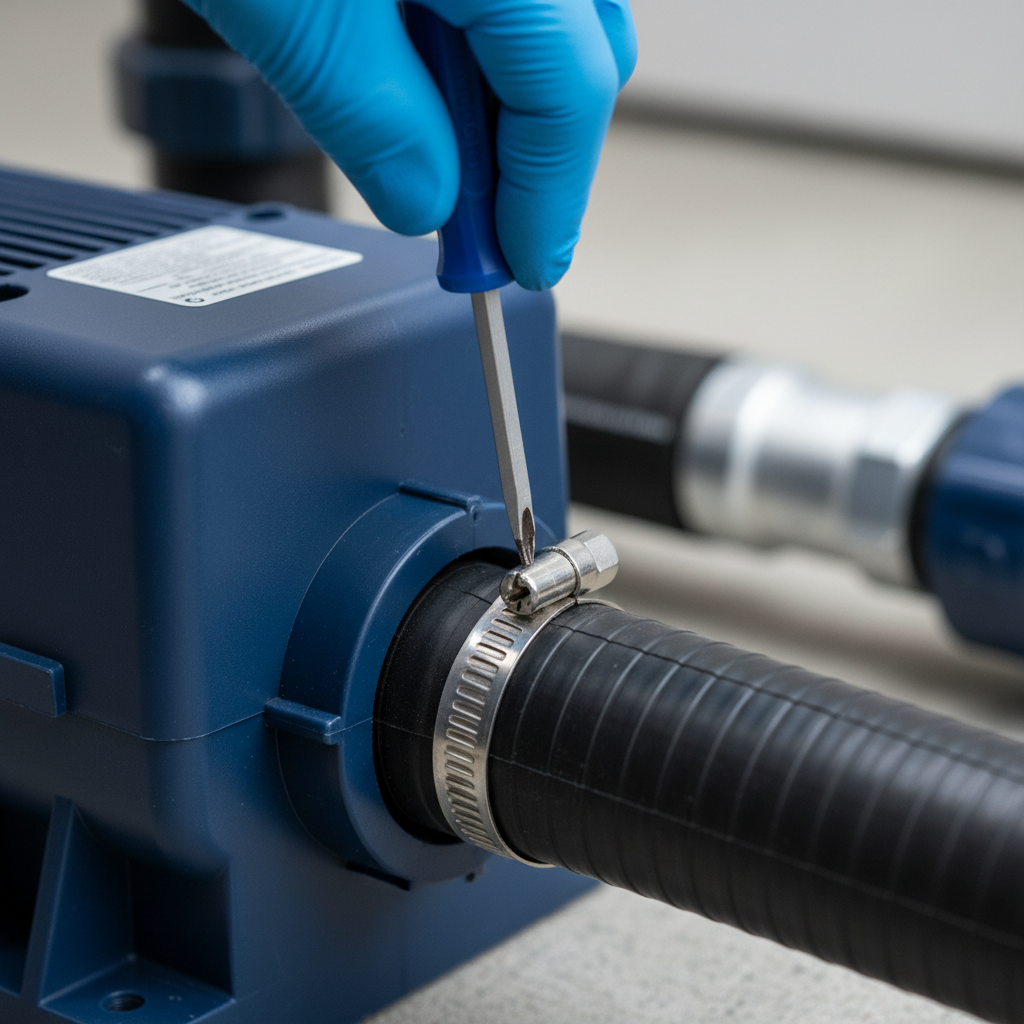
The physical hardware keeping your water clear is the largest long-term variable when calculating how much does it cost to maintain a pool. In Hamilton County, the mechanical components on your equipment pad endure significant stress, especially during the startup and winterization processes. While most high quality components are built to last, their actual survival depends heavily on the quality of your water chemistry. Corrosive or scaling water can cut the life of a heater or pump in half.
For most residential pools in Carmel and Fishers, you should anticipate the following replacement cycles:
Equipment Component | Expected Lifespan | Estimated Replacement Cost |
|---|---|---|
Pool Pump | 7 to 12 Years | $800 to $2,500 |
Filtration System | 5 to 10 Years | $500 to $1,500 |
Vinyl Liner | 10 to 15 Years | $3,000 to $6,000 |
Salt Cell | 3 to 7 Years | $800 to $1,200 |
Pool Heater | 8 to 12 Years | $2,000 to $4,500 |
The structural lifespan of the pool itself depends on the construction material. A well maintained vinyl liner pool in Indiana can last 25 to 35 years, though the liner itself requires replacement every decade or so. Fiberglass shells often last 25 years or more with minimal structural intervention, while concrete pools may require resurfacing every 10 to 15 years.
Investing in professional pool cleaning and ongoing maintenance is the most effective way to defer these capital expenses. For instance, allowing calcium to build up in a salt cell or debris to clog a pump impeller forces the motor to work harder, generating excess heat and causing premature failure. Similarly, meticulous seasonal openings and closings prevent freeze damage to plastic housings and copper heat exchangers. By keeping water balanced and equipment clean, you ensure that you get the full value out of every component before a replacement becomes necessary.