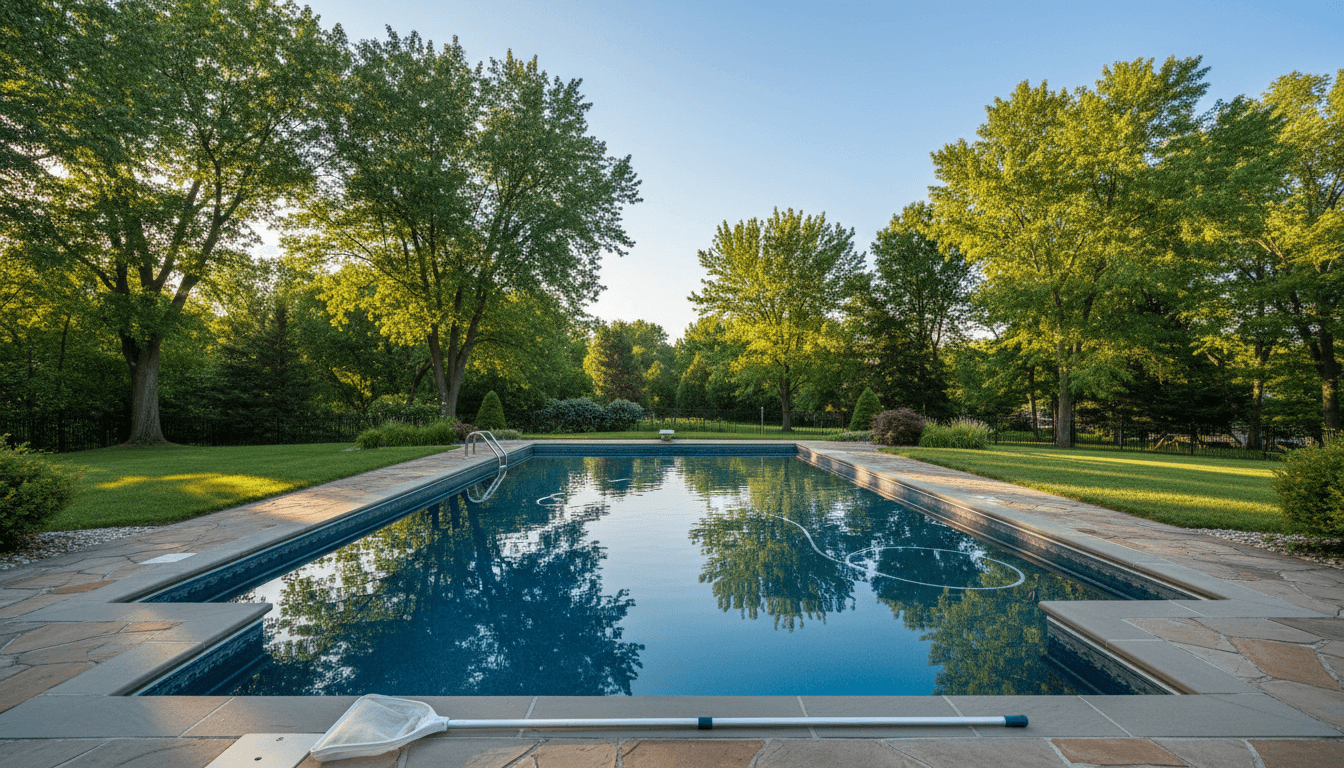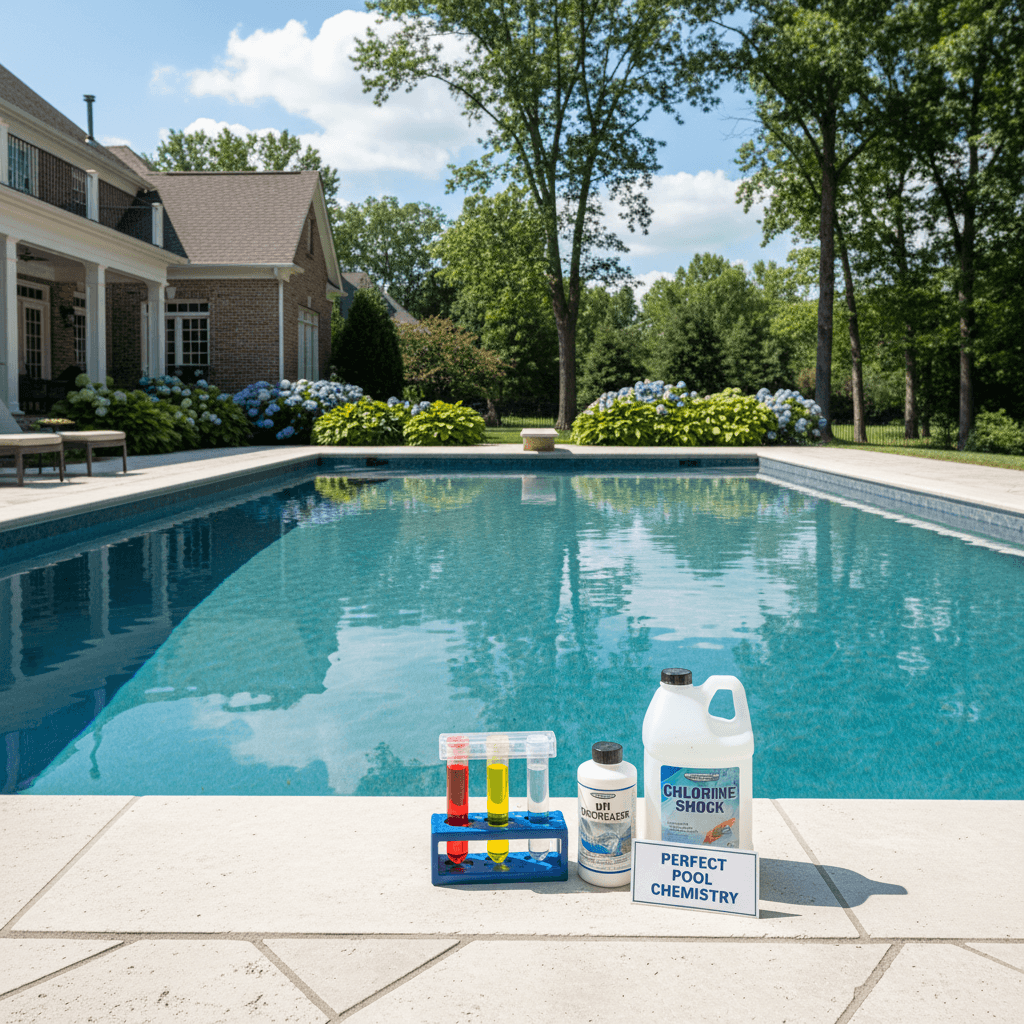
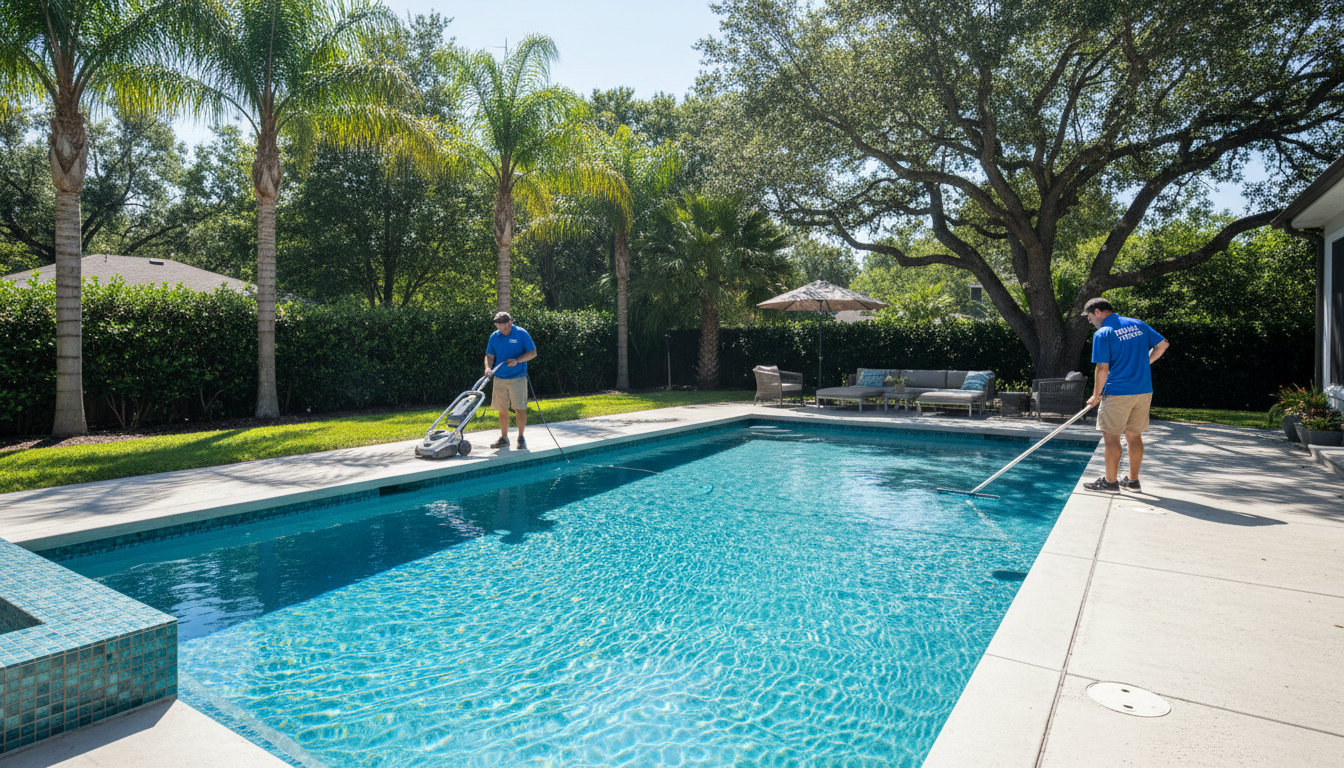
Effective late summer pool care Hamilton County Indiana requires regular water testing and chemical adjustments to manage evaporation and prevent algae growth during the humid August heat. Homeowners should maintain a daily cleaning routine including skimming and brushing to ensure the pool remains clear before the transition to winterization.
As August heat settles over Carmel and Fishers, the initial excitement of pool season often gives way to the frustration of cloudy water and skyrocketing chemical demands. Maintaining a pristine swimming environment during an Indiana heat wave requires more than a simple weekly skim; it demands a proactive strategy to combat rapid evaporation and persistent algae blooms. At Hamilton County Pool Services, we understand that the final weeks of summer are the most critical for your investment. This guide explores the essential techniques for managing the 3 Cs of pool care while ensuring your filtration system survives the peak demand of late season usage. You will learn how to monitor equipment health and determine the ideal timeline for your autumn closing. By following these expert protocols, you can keep your backyard retreat inviting until the very last swim of the year.
The August Challenge: Why Late Summer Pool Care Matters in Hamilton County
August in Hamilton County brings a specific kind of atmospheric pressure to residential swimming pools. While the early season often allows for a 'set it and forget it' approach, the peak humidity and relentless heat waves characteristic of Central Indiana in late summer demand a higher level of vigilance. In towns like Carmel and Noblesville, the combination of high UV exposure and increased bather loads during school break wrap-ups puts extreme stress on water chemistry.
Maintaining late summer pool care in Hamilton County, Indiana, is not just about keeping the water blue for one last Labor Day party; it is a strategic move that simplifies the winterization process. A pool that is neglected in August often harbors sub-visual algae or high phosphate levels, which can lead to expensive staining or organic growth under the cover during the off-season. By staying proactive now, you ensure the closing process is faster and significantly more affordable.
Homeowners often ask, 'How do I keep my pool crystal clear all summer long?' The answer lies in consistency rather than reactive treatments. When temperatures hover in the 90s, the margin for error shrinks. Skipping just two days of testing can allow pH to drift or chlorine levels to bottom out, inviting a stubborn algae bloom. If you find the balance difficult to maintain amidst a busy schedule, seeking professional pool care can prevent these late-season headaches. For more specific answers on equipment and chemical ranges, you can review our pool maintenance FAQs.
Managing the 3 Cs of Pool Care During Indiana Heat Waves
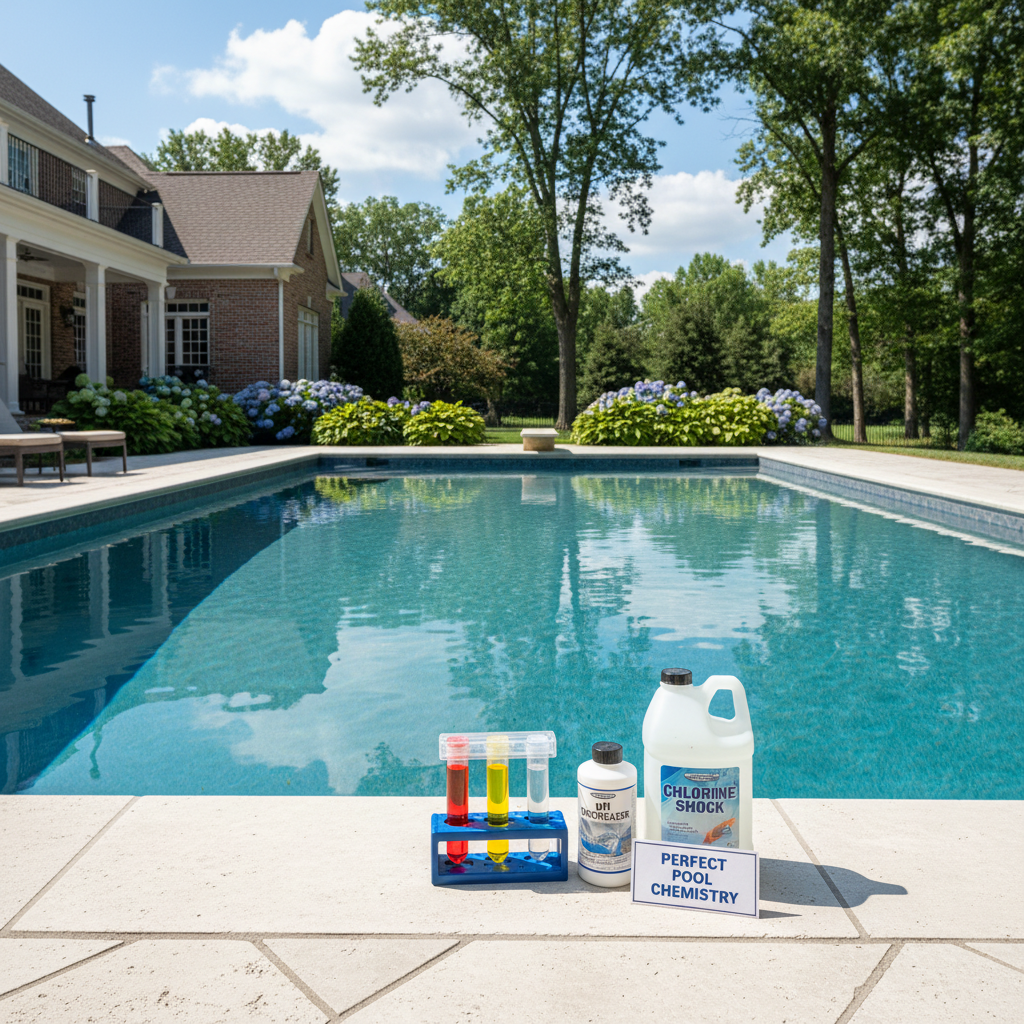
To master late summer pool care in Hamilton County, Indiana, you must focus on the three pillars of maintenance: Cleaning, Chemistry, and Circulation. When heat waves settle over Carmel and Fishers, these factors require more frequent attention than they did in June.
### Circulation and Heat Management Proper circulation is your first line of defense against stagnant water. Many homeowners ask, "Is 90 degrees too hot for a pool?" From a safety standpoint, 90-degree water is fine for swimming, but from a chemistry standpoint, it is a high-risk environment. Warm water acts as a massive incubator for bacteria and algae. When ambient temperatures exceed 90 degrees, you should increase your pump run time to 10 to 12 hours per day. Moving water is harder to contaminate, and consistent filtration ensures that your sanitizer is distributed evenly throughout the entire volume of the pool.
Air Temperature | Recommended Pump Run Time |
|---|---|
Below 80°F | 8 hours |
80°F - 90°F | 8 - 10 hours |
Over 90°F | 10 - 12+ hours |
### Cleaning After Storms Cleaning becomes more labor-intensive in August due to the unpredictable thunderstorms that roll through Central Indiana. These storms often dump heavy organic debris, such as leaves, twigs, and pollen, into the water. If left to sit, this debris breaks down and provides a food source for algae. Skimming the surface daily and emptying your skimmer and pump baskets at least twice a week is essential to prevent your equipment from straining under the load.
### Chemistry and UV Stress Chemistry is the most volatile component during an Indiana heat wave. The intense UV rays of the August sun can deplete chlorine levels by up to 90% in a single day if the water is not properly stabilized. This depletion, coupled with high bather loads from end-of-summer pool parties, creates a "chlorine demand" that can quickly outpace your feeder's output. We recommend testing your water three times per week to monitor these fluctuations. If you find it difficult to keep up with these shifts, professional pool care can help maintain the precise balance needed to keep the water safe for your family.
Combating Algae Blooms and Water Evaporation
The transition from mid-summer to late summer often introduces a frustrating phenomenon locally known as 'August Algae.' Many homeowners in Carmel and Noblesville find that their water turns cloudy or green despite their chlorine tablets dissolving at a normal rate. This struggle typically stems from low sanitizer levels combined with an accumulation of phosphates. Phosphates enter the water via lawn fertilizers, organic debris from late summer storms, and even certain Indiana tap water sources, acting as a buffet for algae spores. If your phosphate levels are high, algae can survive even moderate chlorine levels, making a targeted chemical reset necessary.
To combat a bloom effectively, you must perform a heavy shock treatment. Simply adding a single bag of shock is rarely enough when temperatures are high and bather loads have been heavy. Follow these steps for a successful late-season shock:
Test and adjust the pH to 7.2 or 7.4; chlorine shock is significantly more effective in slightly acidic water.
Apply the treatment after sunset to prevent the intense Indiana sun from burning off the unstabilized chlorine before it can work.
Use a high quality calcium hypochlorite or liquid chlorine to raise the free chlorine level to at least 15 to 20 ppm.
Keep the pump running on high for at least 24 hours to filter out the dead algae particles.
Thoroughly brush the walls, steps, and floor to break the algae's protective bio-film.
Water evaporation is the second major challenge for late summer pool care Hamilton County Indiana. In peak heat waves, pools in our area can lose a quarter to half an inch of water daily. While topping off the pool is necessary to protect the skimmer from sucking air and damaging the pump, be aware that adding inches of fresh hose water dilutes your existing chemicals. If you are adding water more than twice a week, it is vital to re-balance your stabilizer and alkalinity levels. For residents who find this constant recalibration overwhelming, professional pool care ensures your water stays balanced and safe throughout the hottest weeks of the year. You can also find more details on chemical ranges in our pool maintenance FAQs.
Equipment Health: Filters and Pumps in High Demand
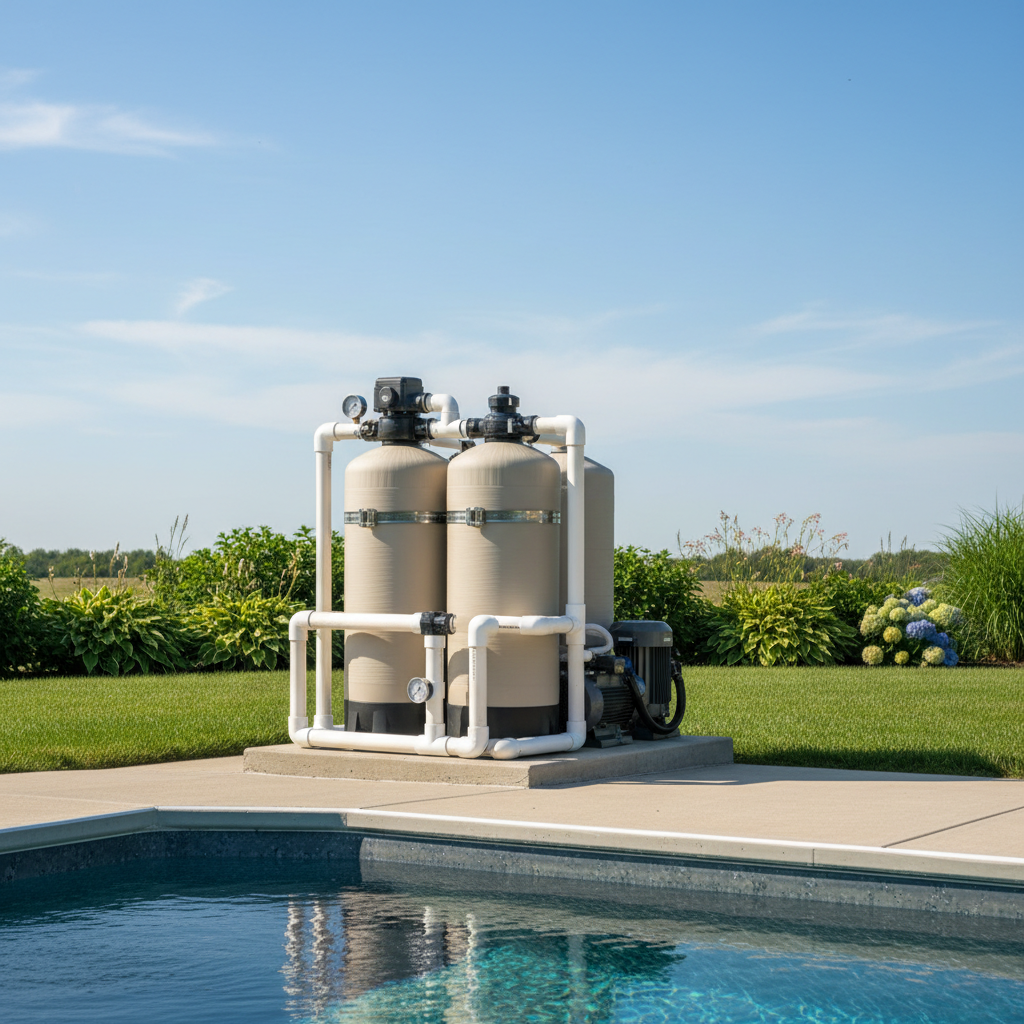
By August, your pool’s mechanical systems have likely logged over 1,000 hours of operation since the spring opening. Managing the mechanical side of late summer pool care Hamilton County Indiana requires a shift from passive observation to active inspection. This is when equipment fatigue typically manifests in Carmel and Noblesville pools. The most reliable indicator of a struggling system is the filter pressure gauge. You should establish a baseline clean pressure after a fresh backwash or cartridge cleaning. Once the gauge reads 8 to 10 PSI above that baseline, the filter is too restricted to function properly.
Filter Type | Maintenance Action | Trigger Point |
|---|---|---|
Sand | Backwash and Rinse | 8-10 PSI over baseline |
DE | Backwash and Recharge | 8-10 PSI over baseline |
Cartridge | Manual Deep Clean | 8-10 PSI over baseline |
Clogged pump baskets are another common late-season issue. After heavy bather loads or typical Central Indiana thunderstorms, debris often bypasses the skimmer and reaches the pump. A restricted basket forces the motor to work harder and run hotter, which can lead to premature failure. Keeping the basket clear ensures maximum flow rates. Efficient water movement is critical because it allows chemicals to circulate properly, reducing the need for excessive treatments.
A local tip for our neighbors in Fishers and Noblesville: late August is the ideal time for a mid-season professional equipment inspection. Catching a worn O-ring or a small seal leak now prevents a total system failure during the final weeks of the season. If you suspect your system is underperforming or making unusual noises, seeking professional pool care can save you from costly emergency repairs. For more technical details on equipment ranges, consult our pool maintenance FAQs.
Preparing for the Transition: When to Close Your Pool in Indiana
Homeowners across Carmel, Fishers, and Noblesville often ask, "When should you close your pool in Indiana?" While it is tempting to shut things down as soon as the kids head back to school, timing your closing correctly is a vital part of late summer pool care Hamilton County Indiana. Most residents find the sweet spot for winterization falls between late September and mid-October.
The most important metric for closing is water temperature rather than the calendar date. You should wait until the pool water is consistently below 65 degrees. Algae spores remain dormant in cold water, but they can thrive under a safety cover if the water is still warm. Closing too early often results in a "green pool" surprise when you pull back the cover in May.
The effort you put into late summer maintenance directly dictates your workload next spring. Keeping the water balanced and debris-free during these final weeks ensures that winterizing chemicals, such as concentrated algaecides and sequestering agents, can work effectively. These pre-closing chemicals prevent mineral staining and keep organic growth at bay throughout the Indiana winter.
Water Temperature | Closing Status | Recommendation |
|---|---|---|
Above 70°F | Too Early | High risk of algae growth under the cover. |
65°F - 70°F | Monitor | Prepare equipment and order closing supplies. |
Below 65°F | Ideal | Algae growth slows significantly; safe to winterize. |
If you are unsure about your water chemistry or need assistance with the final balancing of the season, scheduling professional pool care can provide peace of mind. For more specific advice on winterizing preparations, you can review our pool maintenance FAQs or contact us for a quote to secure a spot on our autumn schedule.
Professional Pool Maintenance Services in Carmel, Fishers, and Noblesville
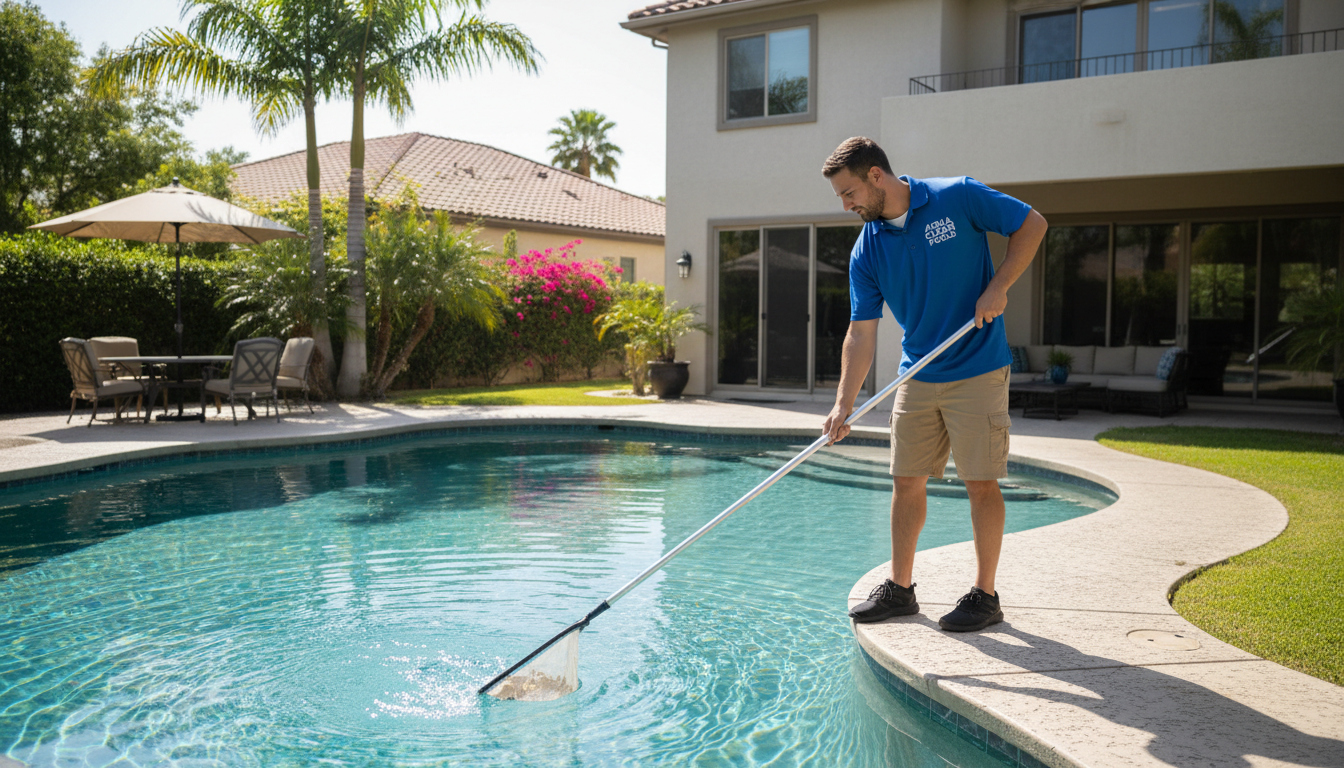
Hamilton County Pool Services provides expert solutions for homeowners in Carmel, Fishers, and Noblesville who want to enjoy the final weeks of the season without the stress of constant chemical monitoring. As a local business, we understand that late summer pool care Hamilton County Indiana is shaped by specific environmental factors, such as the high phosphate levels often found in local water sources and the sudden, heavy organic debris deposited by Central Indiana thunderstorms. Our team is dedicated to maintaining safe, crystal-clear water for our neighbors, allowing you to focus on family time rather than scrubbing tiles or balancing pH levels.
Securing professional pool care ensures that your sanitizer levels are precisely managed during the high-heat periods that often trigger algae blooms just before Labor Day. We specialize in identifying equipment fatigue and filter issues before they lead to a total system failure during a holiday weekend. By managing the final chemical reset and deep cleaning in August and September, we help you avoid the common green pool headache and set the stage for a seamless winterization. If you have questions about our seasonal scheduling or specific chemical standards, our pool maintenance FAQs offer detailed insights into our process. Our reliability and dedication to the Hamilton County community mean we treat every residential pool with professional precision. Contact us for a quote to ensure your pool remains healthy and inviting through the very last day of the season.
Keeping your pool clear during the late summer months requires consistent attention to chemistry and debris removal. While these maintenance tasks protect your investment, they can also take time away from actually enjoying the water. If you want expert help to ensure your pool stays pristine through September, our team is ready to assist. You can learn more about our local maintenance services and how we support homeowners throughout Hamilton County. We are here to make your transition into autumn effortless and refreshing.